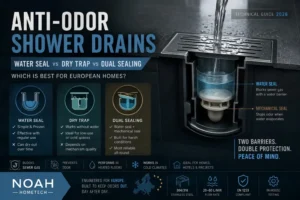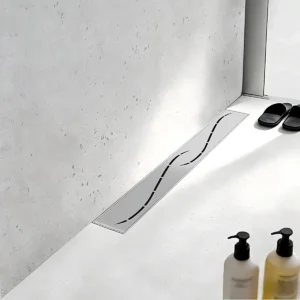

Presented by Noahhometech Bathroom Drainage Experts, a leading manufacturer specializing in high-quality stainless steel shower drains and modern bathroom drainage solutions. With our wide range of innovative designs, including linear, square, and vertical drains, we make bathroom drainage not only functional but elegant.
Table of Contents
- 1. Introduction: Why Cleaning Shower Drains Matters
- 2. Signs Your Shower Drain Needs Cleaning
- 3. 5 Best Ways to Clean a Shower Drain
- 4. Preventive Maintenance Tips
- 5. Modern Drainage Solutions by Noahhometech
- 6. Summary Table: Drain Cleaning Methods at a Glance
- 7. FAQs
- 8. References
1. Introduction: Why Cleaning Shower Drains Matters
Shower drains often go unnoticed—until they start to smell, drain slowly, or back up. Hair, soap scum, oils, and debris accumulate over time, restricting water flow. Regular cleaning ensures efficient drainage, prevents odors, and extends the lifespan of your plumbing fixtures.
Neglecting this simple task can lead to costly plumbing repairs, mold growth, and even bathroom flooding. A proactive cleaning routine keeps your bathroom hygienic and prevents larger maintenance headaches down the line.
2. Signs Your Shower Drain Needs Cleaning
Before taking action, it’s important to identify whether your drain is due for cleaning. Look out for these common warning signs:
- Slow drainage: Water pools around your feet during a shower.
- Unpleasant odors: A sour or musty smell often indicates trapped organic material.
- Gurgling sounds: Air trapped in clogged pipes can produce gurgles.
- Frequent backups: The drain clogs soon after cleaning, suggesting deeper buildup.
- Visible debris: Hair or residue collects around the drain cover.
If you notice one or more of these symptoms, it’s time to clean your shower drain using one of the effective methods below.
3. 5 Best Ways to Clean a Shower Drain
There are multiple methods to tackle a clogged or slow shower drain—ranging from natural home remedies to specialized cleaning tools. Here are the top 5 most effective approaches for restoring optimal flow and hygiene.
3.1 Method 1: Use Baking Soda and Vinegar (Natural DIY Solution)
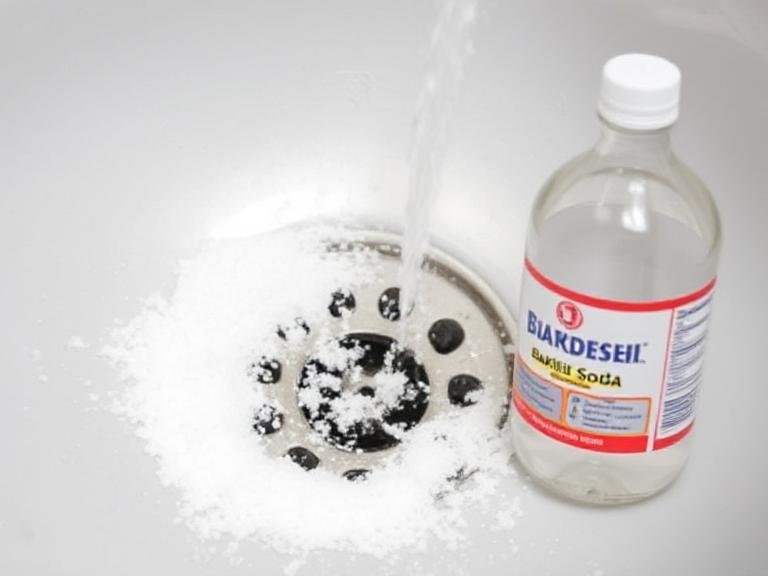
This is a classic, chemical-free way to dissolve organic matter and mild blockages.
- Step 1: Pour one cup of baking soda down the drain.
- Step 2: Follow with one cup of white vinegar.
- Step 3: Let the mixture fizz for 10–15 minutes.
- Step 4: Flush the drain with hot water to clear residue.
Why it works: The fizzing reaction helps break down hair, soap scum, and grease buildup while deodorizing the drain naturally.
3.2 Method 2: Remove Hair and Debris Manually
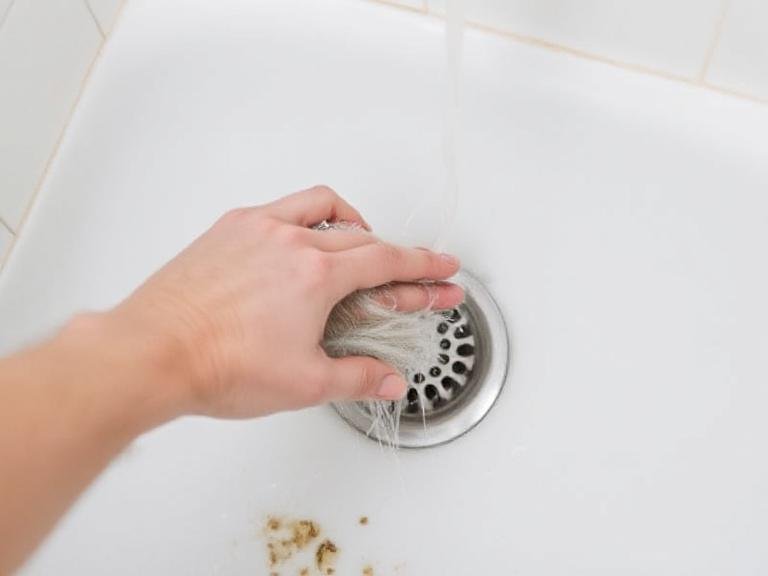
Sometimes, a simple physical removal is all that’s needed. Hair and soap residue often collect just beneath the drain cover.
- Step 1: Remove the drain cover (use a screwdriver if necessary).
- Step 2: Use a drain snake, tweezers, or a wire hook to pull out trapped hair.
- Step 3: Dispose of the debris and rinse the area with warm water.
Pro Tip: Wear gloves to avoid direct contact with grime. Cleaning the drain cover itself prevents future buildup.
3.3 Method 3: Use a Plunger for Deeper Clogs
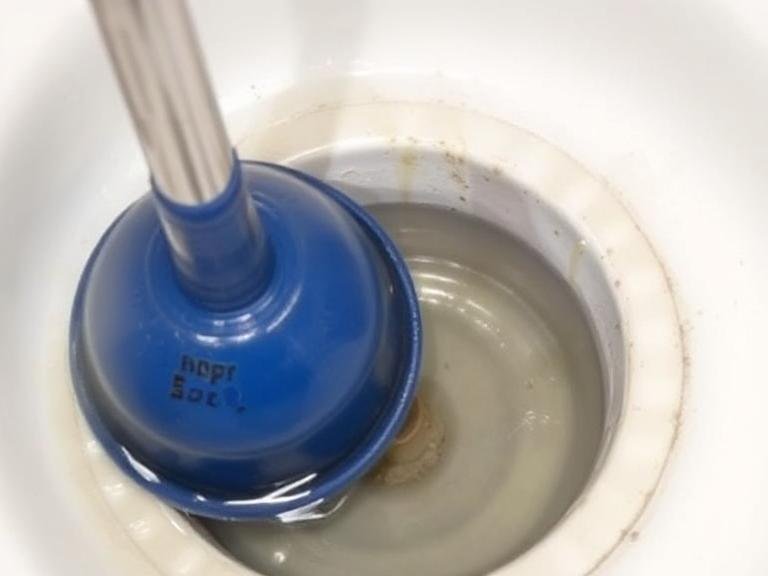
When buildup is lodged deeper in the pipe, a plunger can help create pressure to dislodge it.
- Step 1: Fill the shower area with enough water to cover the plunger’s cup.
- Step 2: Place the plunger over the drain and plunge vigorously for 15–30 seconds.
- Step 3: Check if the water drains faster; repeat as necessary.
Note: This method is most effective for partial blockages, not total clogs.
3.4 Method 4: Chemical Drain Cleaners (Use with Caution)
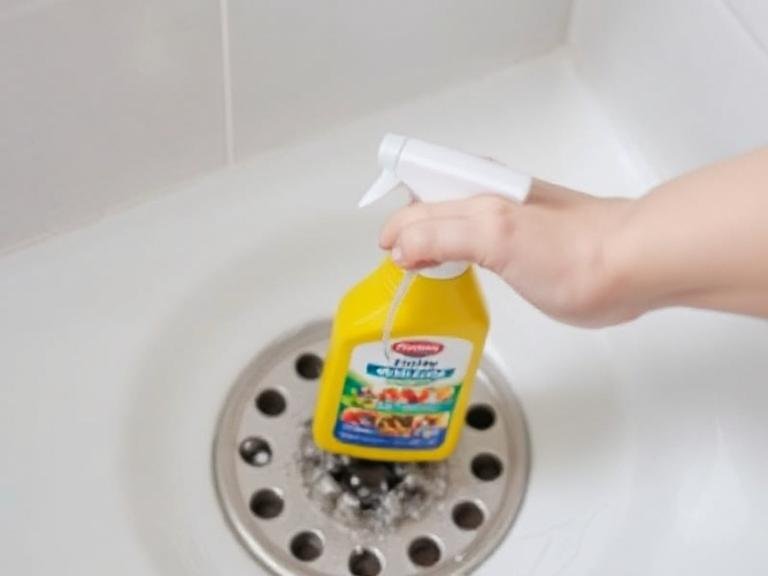
Commercial drain cleaners are powerful but can damage pipes if overused. Use them sparingly and follow the manufacturer’s instructions closely.
- Step 1: Pour the recommended amount into the drain.
- Step 2: Wait the specified duration (usually 15–30 minutes).
- Step 3: Flush thoroughly with hot water.
Warning: Avoid mixing different cleaners, and never use them after a vinegar treatment—doing so can cause dangerous chemical reactions.
3.5 Method 5: Use a Wet/Dry Vacuum
If you have a wet/dry shop vacuum, it can be surprisingly effective at suctioning clogs.
- Step 1: Set the vacuum to “liquid mode.”
- Step 2: Create a tight seal over the drain using the vacuum nozzle or a damp cloth.
- Step 3: Turn on the vacuum for 10–20 seconds to suck out blockages.
Pro Tip: Follow up with warm water and vinegar rinse to clean residual buildup.
4. Preventive Maintenance Tips
Once your drain is clean, maintaining it is key to preventing future blockages. Here’s how to keep your shower drain functioning at its best:
- Use a drain strainer: Capture hair and debris before they enter the pipes.
- Flush weekly: Pour hot water down the drain to dissolve soap and oil buildup.
- Limit grease and oils: Avoid washing oily substances down the shower.
- Clean the drain cover regularly: Keep it free of residue and soap film.
- Use odor-resistant drains: Invest in drains with built-in sealing features to prevent smells.
5. Modern Drainage Solutions by Noahhometech
Noahhometech Bathroom Drainage Experts leads the industry in high-quality, durable, and visually striking drainage systems. Designed for bathrooms, hotels, and commercial spaces, our drains combine elegance with functionality to ensure seamless water flow and easy cleaning.
5.1 About Noahhometech
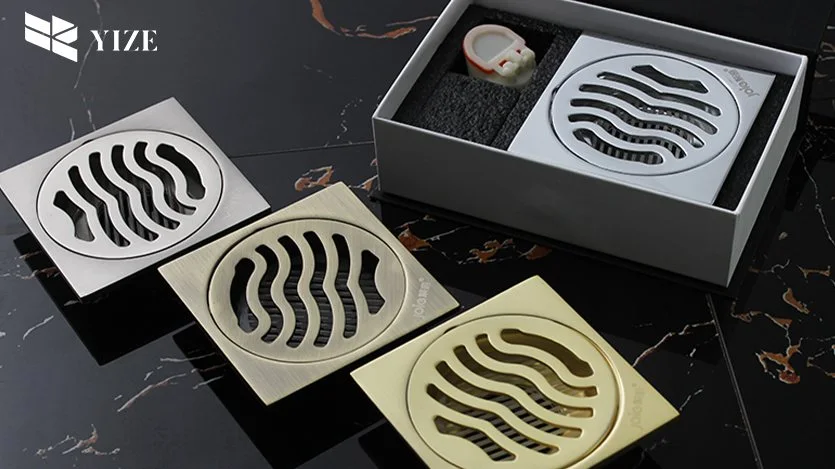
As a premier manufacturer, Noahhometech offers full OEM and ODM capabilities, rapid prototyping, and brand customization. All products are made from 304 stainless steel with long-lasting PVD finishes for corrosion resistance and luxury aesthetics.
5.2 Product Highlights
- Standard Type Shower Drain: Reliable and easy to clean for everyday use.
- Odor-Resistant Type Shower Drain: Built-in sealing system to prevent backflow and odors.
- Ultra-Thin Type Shower Drain: Minimalist design perfect for modern bathrooms.
- Invisible Shower Drain: Blends seamlessly with floor tiles for a clean, sleek look.
- Linear Wall and Strip Drains: Ideal for large showers and spa-like spaces.
- Triangular and Square Bathroom Drains: Stylish solutions for corner installations.
5.3 Commitment to Quality
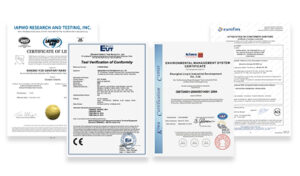
With globally recognized certifications and precision engineering, Noahhometech’s products are designed for durability, hygiene, and effortless maintenance. From innovative design to precise installation, we help clients elevate their bathroom drainage experience.
6. Summary Table: Drain Cleaning Methods at a Glance
| Method | Tools Required | Best For | Pros | Cons |
|---|---|---|---|---|
| Baking Soda & Vinegar | Household ingredients | Light clogs, odor removal | Eco-friendly, inexpensive | Less effective for deep clogs |
| Manual Hair Removal | Gloves, tweezers, wire hook | Hair buildup near surface | Quick, chemical-free | Messy; requires disassembly |
| Plunger | Standard plunger | Deeper blockages | Simple and reusable | May not clear stubborn clogs |
| Chemical Cleaners | Commercial product | Grease or soap-based clogs | Fast and effective | Harsh on pipes, not eco-friendly |
| Wet/Dry Vacuum | Vacuum with liquid mode | Stubborn or deep clogs | Strong suction, reusable | Requires equipment setup |
7. FAQs
Q1: How often should I clean my shower drain?
It’s best to clean your shower drain at least once every two weeks to prevent buildup and maintain flow efficiency.
Q2: Can I use bleach to clean my shower drain?
While bleach can disinfect, it’s not effective against solid clogs and may damage pipes if used frequently. Use it sparingly and always dilute with water.
Q3: Why does my shower drain smell bad?
Bad odors usually result from trapped organic material, bacteria growth, or dry P-traps. Regular cleaning and odor-resistant drains help eliminate smells.
Q4: What’s the safest method for older plumbing systems?
Stick to natural solutions like baking soda and vinegar, which are gentle on pipes and eco-friendly.
Q5: How can Noahhometech products help prevent clogs?
Our odor-resistant and ultra-thin shower drains feature precision designs that reduce debris accumulation and simplify cleaning.