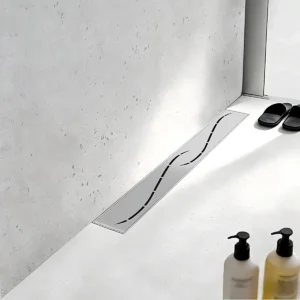
The transition from traditional central point drains to modern linear drainage systems has revolutionized bathroom design. When it comes to medium-sized walk-in showers, installing a 24-inch linear shower drain is often considered the gold standard. Not only does this width provide a sleek, minimalist aesthetic, but it also allows for a single-slope floor pitch, which simplifies tiling and enhances accessibility. However, achieving a flawless finish requires more than just picking a stylish grate; it demands precision, proper waterproofing, and an understanding of hydraulic flow.
In This Guide
- 1. Pre-Installation Planning and Measurements
- 2. Choosing the Ideal Placement for Your Drain
- 3. Subfloor Preparation and Slope Requirements
- 4. Professional Solutions by Noahhometech
- 5. Best Practices for Waterproofing the Drain Flange
- 6. Tiling and Finishing Touches
- 7. Post-Installation Maintenance and Care
- 8. Installation Summary Table
- 9. Frequently Asked Questions
- 10. References and Standards
1. Pre-Installation Planning and Measurements
Successful execution of installing a 24-inch linear shower drain begins long before the thin-set is mixed. You must first ensure that your plumbing rough-in matches the outlet location of your chosen drain. Most 24-inch units feature either a central outlet or an offset outlet. Matching this to your existing waste pipe is critical to avoid unnecessary subfloor structural alterations.
Measurement accuracy is paramount. For a 24-inch drain, the shower width should ideally be slightly larger than 24 inches to allow for tile edges and proper wall clearance. If you are using a wall-to-wall installation method, ensure you account for the thickness of the waterproofing membrane and the tile thin-set when calculating the final width of the shower pan.
2. Choosing the Ideal Placement for Your Drain
There are three primary locations to consider when installing a 24-inch linear shower drain:
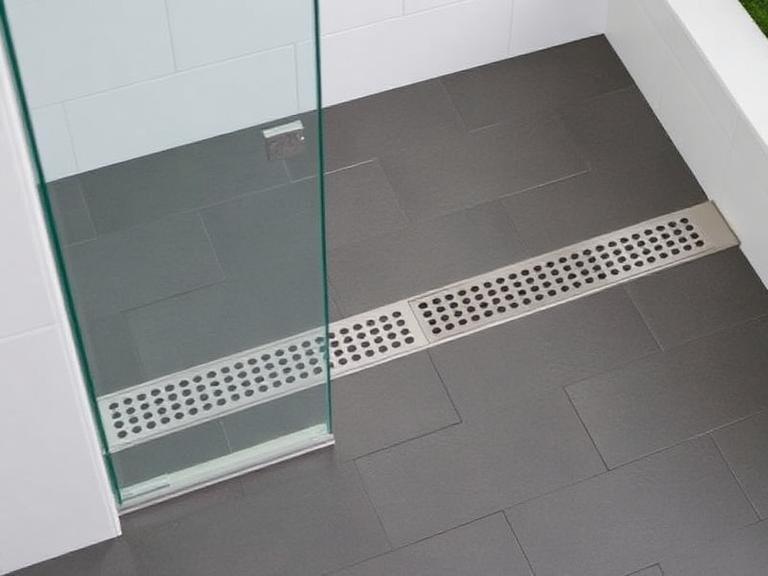
- Against the Wall: This is the most popular choice. It allows for a clean look where the floor sloped in one direction toward the wall.
- At the Threshold: Ideal for “curbless” or barrier-free showers. This prevents water from migrating into the bathroom area.
- In the Center: Less common for linear drains but used in specific architectural designs where two slopes meet.
Placing the drain against the back wall is often cited as the best practice for residential bathrooms because it keeps the drain out of the primary standing area, improving the user experience and reducing the likelihood of stepping on the grate during a shower.
3. Subfloor Preparation and Slope Requirements
Unlike traditional round drains that require a “four-way” pitch (sloping from all four corners), installing a 24-inch linear shower drain requires a “one-way” pitch. This means the entire floor must be flat but tilted toward the drain at a ratio of 1/4 inch per foot.
If you are working on a wooden subfloor, you may need to recess the floor joists to accommodate the height of the drain body, especially if you desire a curbless entry. For concrete slabs, a trench must be cut to house the drain and the waste pipe. Ensuring the drain is perfectly level from left to right is vital; if the drain body itself is tilted, water will pool at one end, leading to stagnant moisture and potential mold growth.
Noahhometech Bathroom Drainage Experts
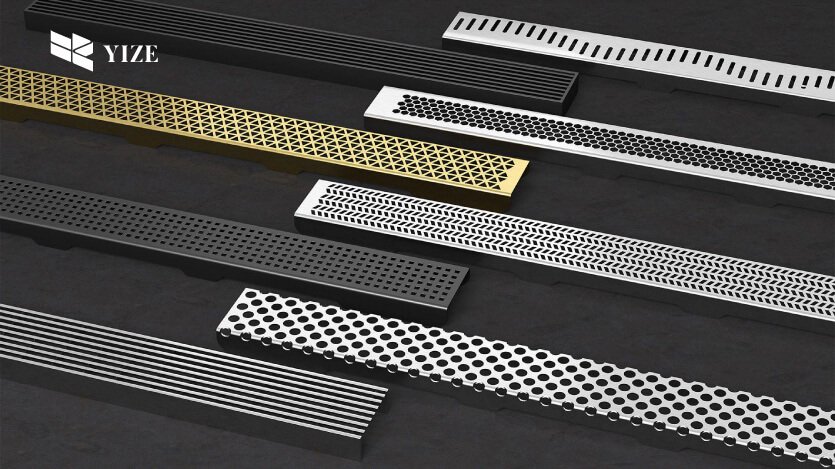
As a leading shower drain manufacturer, we specialize in high-quality, visually striking drainage solutions for bathrooms, hotels, and commercial spaces. Our complete OEM and ODM services include ultra-thin linear drains, square drains, vertical drains, and fully customized shower systems, made from 304 stainless steel with durable PVD finishes.
With brand customization, rapid prototyping, and globally recognized certifications, we help clients stay competitive and deliver premium end-user experiences. From innovative design to precise installation, our products provide efficient, durable, and modern shower drainage solutions.
Our premium products include:
- Standard Type Shower Drain: Reliable and easy to clean for everyday use.
- Odor-Resistant Type Shower Drain: Built-in sealing system to prevent backflow and odors.
- Ultra-Thin Type Shower Drain: Minimalist design perfect for modern bathrooms.
- Invisible Shower Drain: Blends seamlessly with floor tiles for a clean, sleek look.
- Linear Wall and Strip Drains: Ideal for large showers and spa-like spaces.
- Triangular and Square Bathroom Drains: Stylish solutions for corner installations.
5. Best Practices for Waterproofing the Drain Flange
Waterproofing is the most critical stage of installing a 24-inch linear shower drain. Most professional installers prefer using a liquid-applied membrane or a sheet-bonded membrane. The drain flange—the flat metal or plastic surface surrounding the drain trough—must be fully integrated with the shower pan’s waterproofing system.
A common mistake is failing to apply a sealant between the drain flange and the waterproofing membrane. It is highly recommended to use a manufacturer-approved high-quality adhesive or modified thin-set to bond the membrane to the stainless steel flange. For extra security, many experts suggest a “double-wrap” technique at the corners of the drain where leaks are most likely to occur. Before tiling, always perform a 24-hour flood test to ensure the system is watertight.
6. Tiling and Finishing Touches
The beauty of installing a 24-inch linear shower drain lies in the ability to use large-format tiles. Since the floor only slopes in one direction, you are not forced to use small mosaic tiles to accommodate complex curves. However, there are still rules to follow:
Tile Gap and Grouting
Leave a 1/16 to 1/8 inch gap between the tile edge and the drain frame. This gap should be filled with a high-quality color-matched silicone caulk rather than rigid grout. Silicone allows for minor thermal expansion and contraction of the metal drain without cracking the surrounding tile.
Choosing the Right Grate
If you have installed an Invisible Shower Drain from Noahhometech, you will place a piece of your floor tile into the drain tray. This creates a “hidden” look where water disappears into the perimeter. If you prefer a more industrial look, a 304 stainless steel grate with a PVD finish provides a striking contrast against natural stone or ceramic tiles.
7. Post-Installation Maintenance and Care
Even the most perfectly executed task of installing a 24-inch linear shower drain will fail if the system is not maintained. Because linear drains are longer, they can collect more hair and soap scum across their length. Best practices include:
- Regular Cleaning: Most modern drains feature a removable grate and a hair strainer. These should be cleaned weekly to maintain optimal flow rates.
- Avoiding Harsh Chemicals: While 304 stainless steel is durable, extremely acidic cleaners can damage PVD finishes over time. Use neutral pH cleaners.
- Inspecting Sealants: Check the silicone perimeter once a year to ensure it hasn’t pulled away from the metal frame.
8. Installation Summary Table
| Installation Step | Best Practice Recommendation | Common Pitfall to Avoid |
|---|---|---|
| Subfloor Pitch | 1/4″ per foot toward the drain | Flat spots or “birdbaths” where water pools |
| Drain Levelling | Use a spirit level across the trough length | Tilted drain resulting in uneven drainage |
| Waterproofing | Bond membrane directly to the flange | Relying on tile and grout to be waterproof |
| Testing | 24-hour flood test before tiling | Skipping the test and finding leaks after tiling |
| Final Seal | Use silicone caulk around the drain frame | Using grout, which will crack over time |
9. Frequently Asked Questions
Do I need a special P-trap for a 24-inch linear drain?
No, a standard 2-inch P-trap is usually sufficient for residential flow rates. However, always check local building codes to ensure compliance with waste pipe sizing and venting requirements when installing a 24-inch linear shower drain.
Can I install a 24-inch drain in a 60-inch shower?
Yes, but you will need to “envelope” the floor slightly or ensure the slope is perfectly directed toward that 24-inch section. Ideally, the drain should span as close to the full width of the shower as possible to capture all water runoff efficiently.
What is the benefit of an Odor-Resistant Type Shower Drain?
These drains include a built-in mechanical or water-seal system that prevents sewer gases from entering the bathroom, even if the P-trap evaporates due to infrequent use. This is especially beneficial for guest bathrooms or vacation homes.
Is stainless steel 304 better than plastic for linear drains?
Absolutely. Stainless steel 304 offers superior durability, resistance to corrosion, and a higher aesthetic value. Noahhometech products utilize this material to ensure long-term structural integrity and a premium finish.
10. References and Standards
- International Plumbing Code (IPC) – Section 412: Floor and Trench Drains.
- ASME A112.18.2/CSA B125.2 – Plumbing Waste Fittings Standards.
In conclusion, installing a 24-inch linear shower drain is a sophisticated upgrade that requires attention to detail, specifically in subfloor sloping and membrane bonding. By following these best practices and utilizing high-quality components from manufacturers like Noahhometech, you can ensure a beautiful, leak-free, and highly functional bathroom environment that stands the test of time.