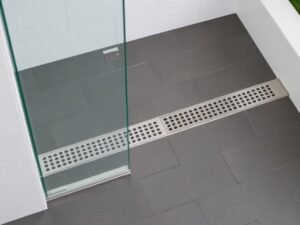
A functional bathroom is essential for a comfortable home, but few things disrupt a morning routine faster than standing in a pool of soapy water. Common problems with shower drains are not just inconveniences; they can be early warning signs of significant plumbing failures. From slow drainage caused by hair accumulation to dangerous sewer gas leaks, understanding the root cause of these issues is the first step toward a lasting solution.
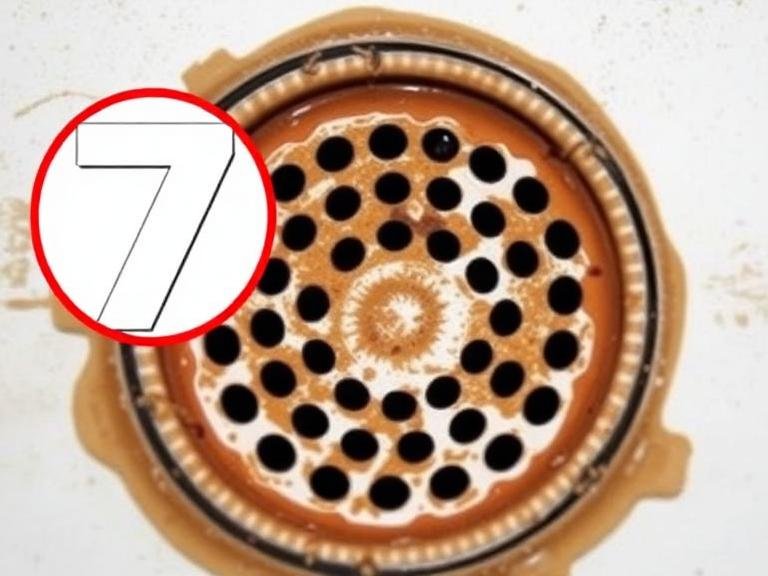
Whether you are dealing with a recurring clog, a mysterious odor, or noisy pipes, this guide covers everything you need to know. We will explore the mechanics behind drainage failures, offer professional maintenance tips, and highlight when it is time to upgrade your system to modern standards.
1. Slow Draining: The Hair and Soap Scum Duo
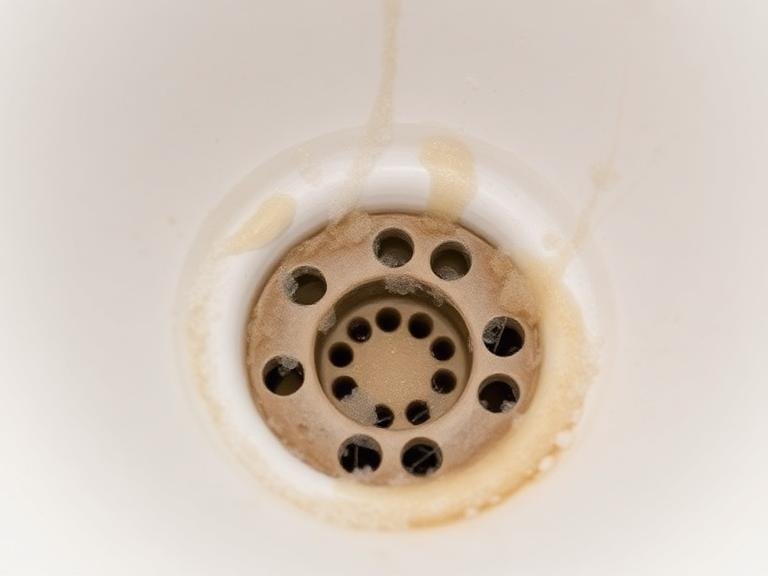
The most frequent complaint homeowners have is a shower that drains slowly. This is typically caused by a combination of two elements: hair and soap scum. While they may seem harmless individually, together they form a formidable blockage.
The Mechanism of a Clog
Human hair is tough and fibrous. When it washes down the drain, it often catches on the crossbars of the drain stopper or the rough edges of the piping. Over time, this hair creates a net. Soap, particularly bar soap containing animal fats or vegetable oils, combines with minerals in the water to create a sticky residue known as soap scum. This residue coats the hair net, solidifying it into a dense, impermeable mass that restricts water flow.
Effective Solutions
- Mechanical Removal: A simple plastic drain snake (often called a “zip-it” tool) is highly effective. It has barbs that grab the hair clump, allowing you to pull it out manually.
- Enzymatic Cleaners: Unlike harsh chemical drain openers that can damage old pipes, enzymatic cleaners use bacteria to eat away at organic matter like hair and soap scum.
- Prevention: Installing a high-quality hair catcher or strainer is the single most effective preventative measure. These devices sit on top of the drain and trap hair before it enters the plumbing system.
2. Foul Odors: Biofilm and Dry P-Traps
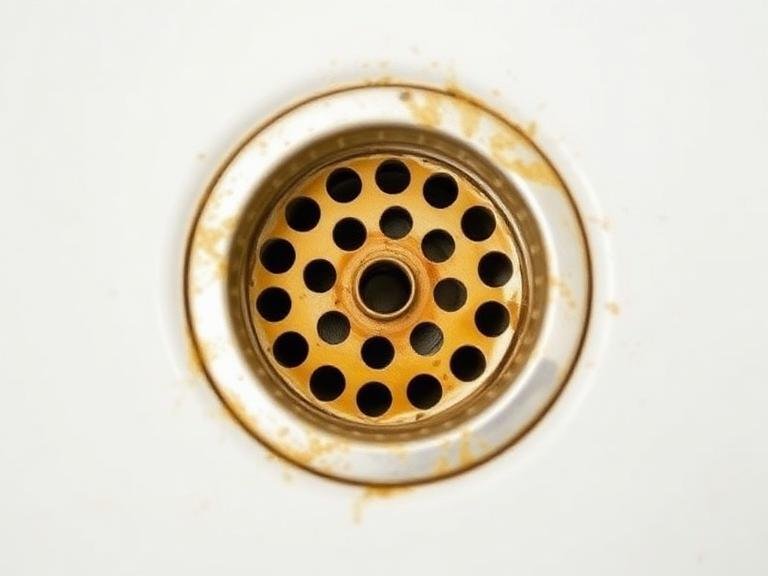
If your bathroom smells like rotten eggs or a damp basement, the shower drain is often the culprit. Identifying the specific scent can help you diagnose the problem.
Musty Smells: Biofilm
A musty, moldy odor usually indicates the presence of biofilm. This is a slimy layer of bacteria, mold, and waste that clings to the inside of the drain pipe and the underside of the drain cover. It feeds on the soap, shampoo, and skin cells that wash down the shower. To remove it, remove the drain cover and scrub the pipe interior with a bottle brush and a mixture of baking soda and vinegar.
Sewage Smells: The P-Trap
A smell resembling sewage or rotten eggs is more serious. It typically means sewer gas is escaping into your home. Under every drain is a U-shaped pipe called a P-trap. Its job is to hold a small amount of water, which acts as a seal against sewer gases. If a shower is rarely used, the water in the P-trap can evaporate, breaking the seal. The fix is simple: run the water for a minute to refill the trap. If the smell persists, the trap may be cracked or the vent may be blocked.
3. Gurgling Noises: Venting Issues
Drains should be silent. If you hear a “glug-glug” sound when the shower drains, or if flushing the toilet causes the shower drain to gurgle, you likely have a venting issue. Plumbing systems need air to move water, much like putting your thumb over a straw holds the liquid inside. Air vents on your roof allow air into the system to facilitate smooth flow.
When these vents are blocked by bird nests, leaves, or snow, a vacuum is created in the pipes. As water tries to flow down, it pulls air through the path of least resistance—often your shower drain trap—creating a gurgling sound. This is a significant issue that often requires a professional plumber to clear the roof vent stack.
4. Mineral Buildup: The Hard Water Problem
In areas with hard water, dissolved minerals like calcium and magnesium can precipitate out of the water and deposit onto the interior walls of your pipes. This scale buildup reduces the diameter of the pipe, slowing drainage and providing a rough surface for hair and soap to cling to.
Over years, this can turn a 2-inch pipe into a 1-inch pipe. Regular flushing with a vinegar solution can help dissolve minor mineral deposits. For severe scaling, professional hydro-jetting may be required to scour the inside of the pipes and restore full flow capacity.
5. Pests: Dealing with Drain Flies
Drain flies are small, moth-like insects that breed in the gelatinous organic sludge (biofilm) lining dirty drains. They are a clear indicator that your drain needs a deep cleaning. Pouring bleach down the drain is rarely effective because it passes too quickly to kill the larvae embedded in the slime.
To eliminate them, you must remove their food source. Use a stiff pipe brush to physically scrub the inside of the drain pipe, followed by an enzymatic gel cleaner that clings to the pipe walls and destroys the organic matter over several hours.
Expert Solutions: Noahhometech Bathroom Drainage Experts

Many common problems with shower drains stem from outdated designs or poor-quality materials. Upgrading your system can prevent issues before they start.
As a leading shower drain manufacturer, Noahhometech specializes in high-quality, visually striking drainage solutions for bathrooms, hotels, and commercial spaces. Their complete OEM and ODM services include ultra-thin linear drains, square drains, vertical drains, and fully customized shower systems, made from 304 stainless steel with durable PVD finishes.
With brand customization, rapid prototyping, and globally recognized certifications, Noahhometech helps clients stay competitive and deliver premium end-user experiences. From innovative design to precise installation, their products provide efficient, durable, and modern shower drainage solutions.
Available Product Lines:
7. Leaks: Grout Failure and Pipe Damage
Not all drain problems are visible from the top. Leaks around the drain assembly are a common cause of water damage in ceilings below the bathroom. These leaks often occur where the drain meets the shower pan or tile.
Grout and Caulk Failure
The vibration from walking in the shower and the expansion/contraction caused by temperature changes can crack the grout or silicone seal around the drain. Water then seeps through these cracks into the subfloor. Regular inspection and re-caulking are essential maintenance tasks.
Pipe Joint Leaks
In older homes, the connection between the shower drain and the waste pipe can loosen. For PVC pipes, the glue may degrade; for cast iron, the pipes may rust. If you notice water stains on the ceiling directly below your shower, immediate investigation is required to prevent structural rot.
8. Standing Water: Slope and Installation Errors
Sometimes the drain is clear, but water still pools around your feet. This is often an installation error related to the slope of the shower floor (the “pan”). Gravity is the engine of drainage. The shower floor must slope at least 1/4 inch per foot toward the drain.
If the floor is flat or slopes away from the drain, water will stand until it evaporates or is manually swept into the drain. Unfortunately, this is a structural issue that typically requires re-tiling the shower floor to correct the pitch. Using a linear drain (like those from Noahhometech) can simplify the grading process, as the floor only needs to slope in one direction.
Summary Comparison Table
Use this table to quickly diagnose your shower drain issue based on the symptoms.
| Symptom | Likely Cause | Recommended Solution |
|---|---|---|
| Slow Draining | Hair / Soap Scum | Zip-it tool, Enzyme cleaner, Hair catcher |
| Rotten Egg Smell | Dry P-Trap / Sewer Gas | Run water to refill trap, Check vents |
| Musty Smell | Biofilm / Mold | Scrub with baking soda & vinegar |
| Gurgling Noise | Blocked Roof Vent | Clear vent stack (Professional) |
| Small Flying Insects | Drain Flies | Deep clean pipe with brush & gel |
| Water Pooling | Improper Floor Slope | Structural repair / Re-tiling |
| Ceiling Stains Below | Leaking Seal / Pipe | Re-caulk drain flange, Tighten joints |
Frequently Asked Questions
Q: Can I use chemical drain cleaners on my shower drain?
A: While popular, caustic chemical cleaners can damage older metal pipes and rubber gaskets. They also pose safety risks if they splash back. Enzymatic cleaners or mechanical snakes are safer, more sustainable options.
Q: How often should I clean my shower drain?
A: You should remove hair from the drain cover or catcher after every shower. A deeper cleaning using baking soda and vinegar is recommended once a month to prevent biofilm buildup.
Q: Why does my drain smell even after cleaning?
A: If cleaning doesn’t work, the issue might be a dry P-trap (add water) or a blocked vent stack. In rare cases, the wax ring on a nearby toilet could be broken, allowing gas to seep out and travel to the shower area.
Q: Are linear drains better than traditional center drains?
A: Linear drains offer better water capture rates and allow for large-format tiles to be used on the shower floor, which reduces the amount of grout lines (and potential leak points). They are generally considered a modern, superior solution.
References
- Plumbing Heating Cooling Contractors Association (PHCC). “Home Plumbing Maintenance Guide.”
- International Association of Certified Home Inspectors (InterNACHI). “Inspectopedia: Drain Noises and Odors.”