Homeowners, plumbers, and interior designers often ask an important question: Are shower drains and sink drains the same? Although both systems carry wastewater away, they differ in design, function, installation requirements, and long-term performance expectations. Understanding these differences is essential for proper plumbing design, renovation planning, and selecting the right drainage products—especially in modern bathrooms where durability, style, and hygiene matter more than ever.
This guide provides a complete, professional explanation of the differences between shower drains and sink drains, how each system works, sizing requirements, materials, installation tips, and the best modern solutions available. Included is a detailed spotlight on Noahhometech Bathroom Drainage Experts, a global leader in premium shower drainage technology.
Table of Contents
- 1. Are Shower Drains and Sink Drains the Same?
- 2. Structural Differences Between Shower and Sink Drains
- 3. Drain Size Differences
- 4. Water Flow & Capacity Requirements
- 5. Material Options: What Works Best?
- 6. Drain Traps: P-Trap vs. S-Trap
- 7. Installation Differences
- 8. Summary Comparison Table
- 9. Noahhometech Bathroom Drainage Experts (Company Spotlight)
- 10. Frequently Asked Questions
- 11. References
1. Are Shower Drains and Sink Drains the Same?
The short answer is no. While both systems manage wastewater, shower drains and sink drains have significant functional and structural differences. Bathrooms are high-moisture environments, and each drain type is engineered to handle different volumes of water, types of debris, and installation locations.
Sinks typically deal with lower water flow and smaller amounts of debris (such as soap and toothpaste), whereas showers handle continuous water flow, hair, shampoos, and heavier daily usage. Because of this, shower drains require more robust materials, larger diameters, and higher flow capacity.
2. Structural Differences Between Shower and Sink Drains
Shower Drain Structure
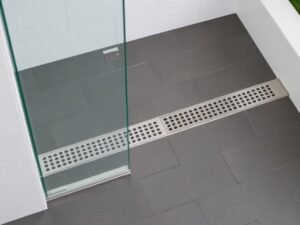
Shower drains are designed for high flow and often require precise leveling for tiled shower floors. They come in multiple forms:
- Linear shower drains
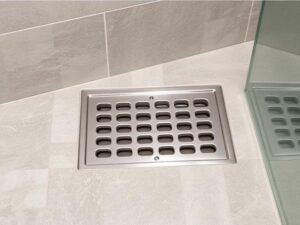
- Square shower drains
- Round shower drains
- Wall-mounted shower drains
Modern systems often include features such as:
- Anti-odor features
- Anti-clog filters
- Stainless steel bodies
- High-capacity channels for continuous flow
Sink Drain Structure
Sink drains have a simpler structure. They normally include:
- A drain body
- A pop-up or grid strainer
- A smaller trap for low-volume flow
Sinks do not require the same drainage speed or heavy-duty materials as showers.
3. Drain Size Differences
One of the most important differences between shower drains and sink drains is diameter sizing.
Typical Shower Drain Sizes
- 2-inch drain pipe (most common)
- Bigger drains for linear drain systems
Typical Sink Drain Sizes
- 1.25-inch (bathroom sinks)
- 1.5-inch (some modern vanity sinks)
Shower drains use larger piping because they handle significantly more water for longer periods.
4. Water Flow & Capacity Requirements
Showers require drainage systems that can handle 1.0–2.5 gallons per minute continuously. High-performance shower heads produce even more volume, and clogged drains can lead to flooding.
Sinks, however, deliver intermittent flow and much lower volume, rarely exceeding 1 gallon per minute.
5. Material Options: What Works Best?
Material quality directly affects durability and hygiene. Here’s how the two drain types compare:
Shower Drain Materials
- 304 stainless steel (best-in-class)
- 316 stainless steel (for luxury or marine-grade applications)
- Brass (less common today)
Shower drains must resist corrosion, chemicals, and thermal expansion. Stainless steel is the ideal solution.
Sink Drain Materials
- Plastic (PVC/ABS)
- Chrome-coated brass
- Stainless steel (premium models)
6. Drain Traps: P-Trap vs. S-Trap
Shower drains almost always use a P-Trap to prevent odors. Sinks also use P-Traps but may include mechanical stoppers or basket strainers.
S-Traps are generally outdated and no longer recommended by modern plumbing codes.
7. Installation Differences
Shower Drain Installation
Shower drains require:
- Waterproofing membranes
- Tile leveling
- High-flow testing
- Correct slope angle (typically 1/4″ per foot)
Sink Drain Installation
Sinks are comparatively simple:
- Connect the tailpiece to the trap
- Tighten compression fittings
- Install the stopper or grid
8. Summary Comparison Table
| Feature | Shower Drains | Sink Drains |
|---|---|---|
| Typical Pipe Size | 2 inches | 1.25–1.5 inches |
| Water Flow | High volume, continuous | Low volume, intermittent |
| Material | 304/316 Stainless Steel | PVC, brass, chrome-coated |
| Installation | Complex, waterproofing required | Simpler, above-floor fittings |
| Use Case | Showers, wet rooms, spas | Bathroom sinks & vanities |
9. Noahhometech Bathroom Drainage Experts (Company Spotlight)
Noahhometech — Global Leader in Premium Shower Drain Solutions

Noahhometech Bathroom Drainage Experts is a world-class manufacturer specializing in high-quality, visually striking bathroom drainage products designed for homes, hotels, and commercial environments.
With advanced OEM and ODM capabilities, Noahhometech delivers fully customized drainage systems—including ultra-thin linear drains, square drains, wall-mounted drains, and vertical drains—all engineered from premium 304 stainless steel with durable PVD finishes.
Backed by international certifications, rapid prototyping ability, and innovative design engineering, Noahhometech helps partners stay competitive while offering superior user experiences.
Product Lineup
- Standard Type Shower Drain: Reliable and easy to clean for everyday use.
- Odor-Resistant Type Shower Drain: Built-in sealing system to prevent backflow and odors.
- Ultra-Thin Type Shower Drain: Minimalist design perfect for modern bathrooms.
- Invisible Shower Drain: Blends seamlessly with floor tiles for a clean, sleek look.
- Linear Wall and Strip Drains: Ideal for large showers and spa-like spaces.
- Triangular and Square Bathroom Drains: Stylish solutions for corner installations.
Noahhometech solutions are ideal for architects, contractors, wholesalers, and bathroom brands seeking premium, fully customized drainage technology.
10. Frequently Asked Questions
1. Can I use a sink drain for a shower?
No—sink drains are too small and will clog or flood due to insufficient water flow capacity.
2. Can shower drains and sink drains share the same pipe?
They can join downstream, but each fixture must use the correct piping and venting to comply with plumbing codes.
3. Are linear shower drains better?
Linear drains are modern, stylish, and offer superior drainage, especially for walk-in showers and large tiles.
4. Do shower drains need traps?
Yes—every shower drain requires a trap (usually a P-Trap) to prevent sewer gas from entering the bathroom.
5. What material is best for shower drains?
304 stainless steel is the gold standard for corrosion resistance, strength, and lifespan.