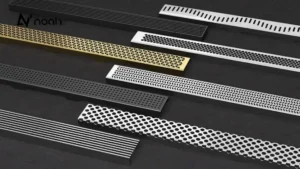
I. Why EN 1253 is the “Access Key” to the Shower Drain Market
In the construction and sanitaryware industries, the European market is renowned for its high standards and rigorous requirements. This is particularly true with the rising trend of walk-in linear shower designs in modern architecture. For the seemingly small yet crucial architectural component that is the shower drain, Europe likewise enforces a strict set of access standards—EN 1253.
EN 1253 (“Gullies for buildings”) is a harmonized standard for construction products. It is mandated by the European Commission. It applies to floor gullies, roof drains, and associated traps used within buildings.[1]
Why is it so important?
(1) The Gateway to Market Access
In the vast majority of European countries, only drains that comply with the EN 1253 standard and bear the CE marking can be legally sold and used in the market. Therefore, compliance is mandatory.
(2) Assurance of Quality and Safety
The standard sets out explicit provisions for key performance indicators of gullies. For example, it defines flow rates, water seal depth, structural strength, and corrosion resistance. This ensures that the drains remain safe and reliable during long-term use. Consequently, it prevents odor backflow, leakage, and structural failure.
(3) Elevating Brand Reputation
Possessing EN 1253 certification is a symbol of high product quality. It can significantly enhance the trust that architects, designers, and consumers have in the brand.
This guide will provide a comprehensive interpretation of EN 1253. Ultimately, it enables you to master the core technical requirements and successfully expand into the European market.
II. In-Depth Interpretation of the Core Content of EN 1253
The EN 1253 standard is not a single document. Instead, it is a comprehensive system comprising multiple parts. These cover various types of gullies and their performance requirements.
The following is a core interpretation of the standard:
1.Scope
EN 1253 applies to gullies installed within buildings. These are used to discharge greywater (e.g., shower water, laundry water) and rainwater.
- Includes: Bathroom gullies, shower room gullies, kitchen gullies, balcony gullies, and roof drains.
- Excludes: Gullies used for discharging wastewater containing faecal matter. These are usually governed by other standards.
2. Core Performance Requirements
This is the heart of EN 1253. It defines the technical specifications that gullies must achieve. We will break down the key requirements below.
2.1 Flow Rates
This is the most fundamental function of a floor drain. However, it must meet specific levels. EN 1253 specifies the minimum flow rates required under a specific head of water. This ensures that during showering, the drain can discharge water promptly. Consequently, it prevents water accumulation.
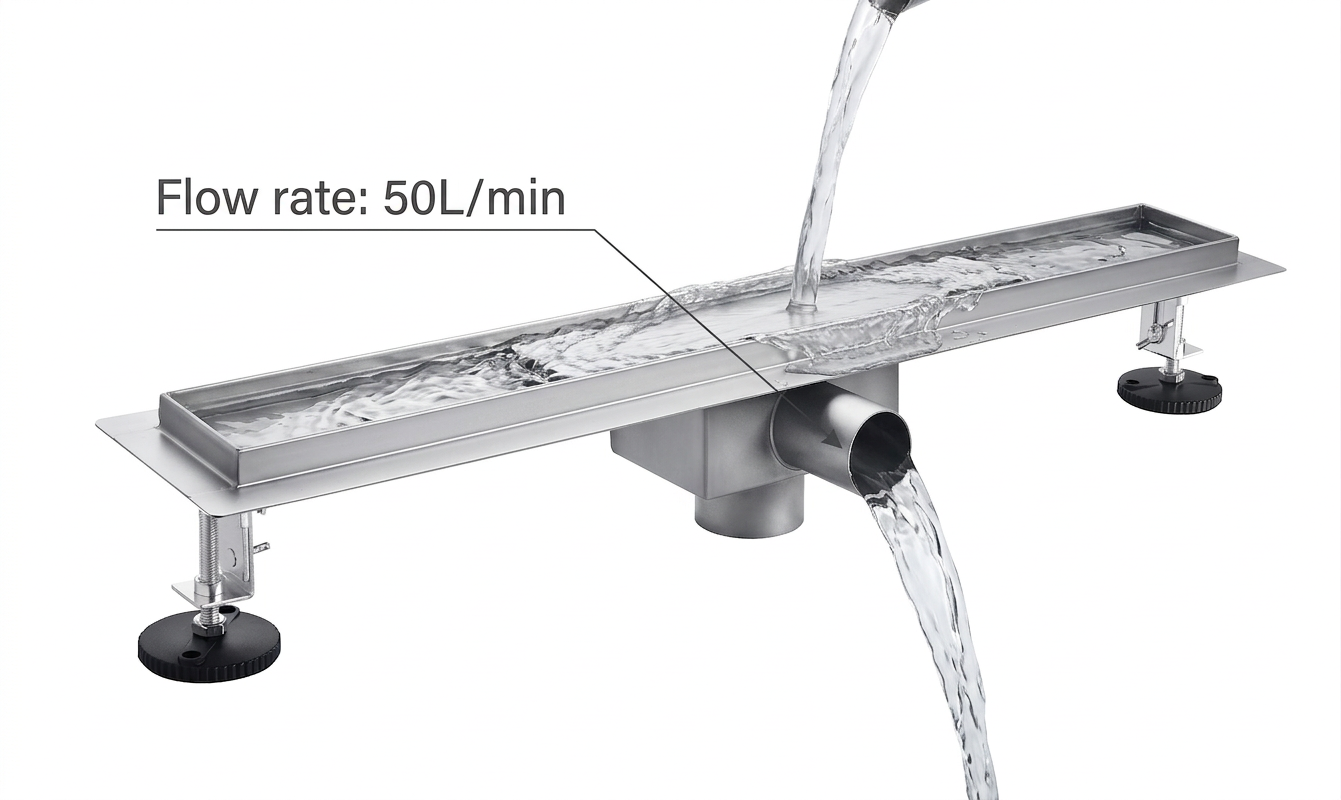
Figure 1: A-Series Linear Shower Drain Drainage Diagram
2.2 Trap Seal Depth
The trap seal (water seal) is critical. It prevents sewer gases, bacteria, and insects from entering the interior space. Therefore, EN 1253 strictly specifies the minimum trap seal depth. Typically, this is 50mm, although 30mm may be permitted for certain specific applications.
Furthermore, it requires that gullies must be capable of maintaining the integrity of the trap seal when subjected to specific levels of negative or positive pressure.
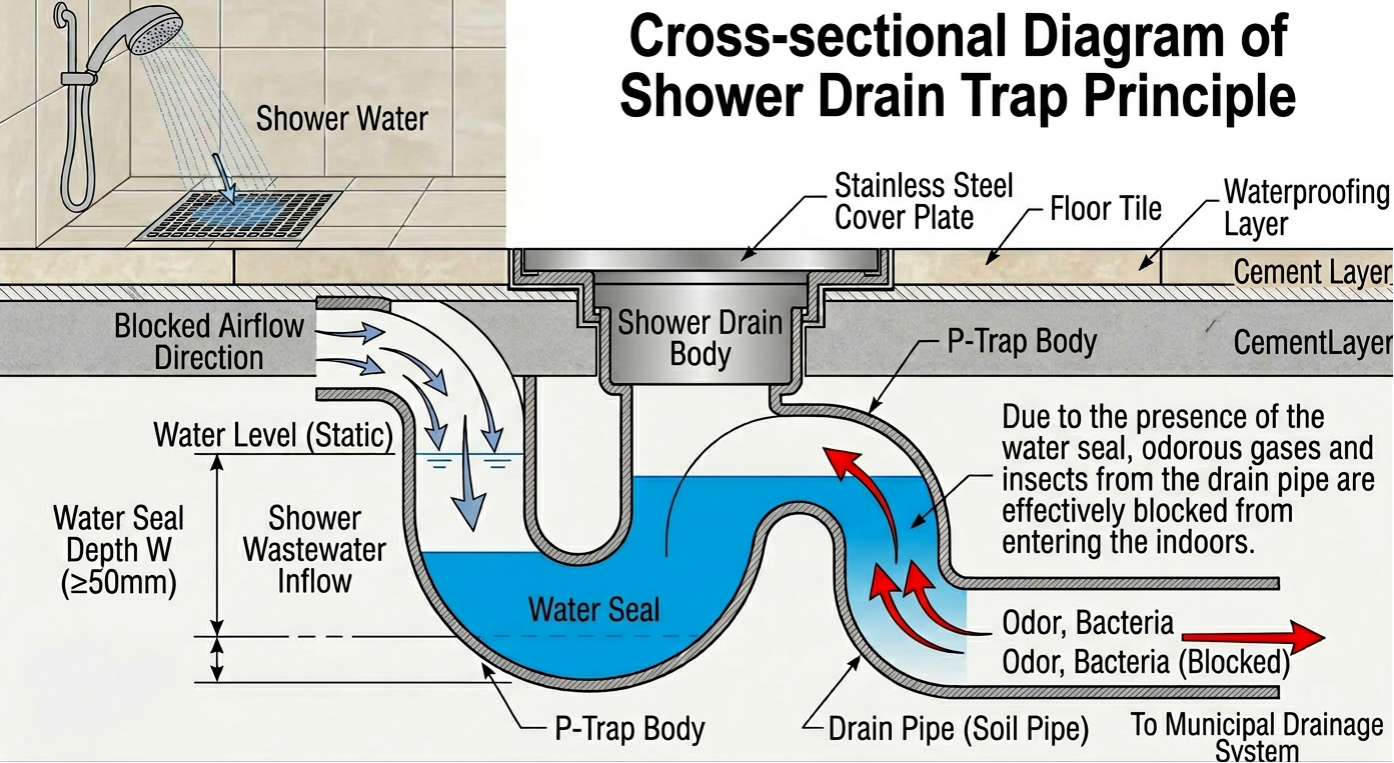
Figure 2: Cross-sectional Diagram of Shower Drain Trap Principle
2.3 Mechanical Strength & Load Capacity
Gullies must be able to withstand the weight of foot traffic. In addition, they must withstand vehicle movement (e.g., in garage gullies) and furniture. Based on the place of installation, EN 1253 classifies gullies into different load classes. These include H 1.5, K 3, L 15, and M 125. Specifically, they are defined as:
- K 3 (300 kg): Suitable for areas with foot traffic only, such as domestic bathrooms.
- L 15 (1.5 tons): Suitable for areas with light vehicle traffic, such as private garages.
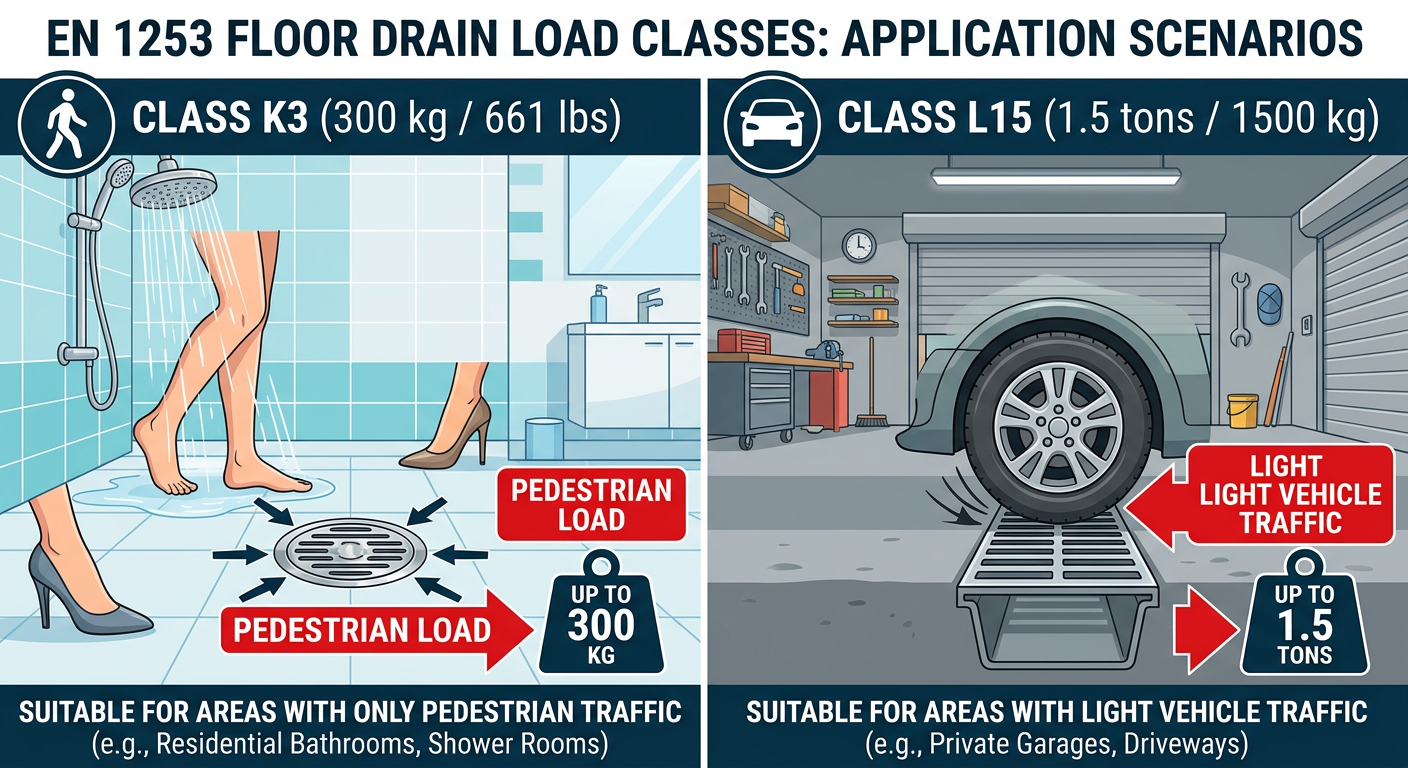
Figure 3: Usage scenarios corresponding to different load rating floo drains
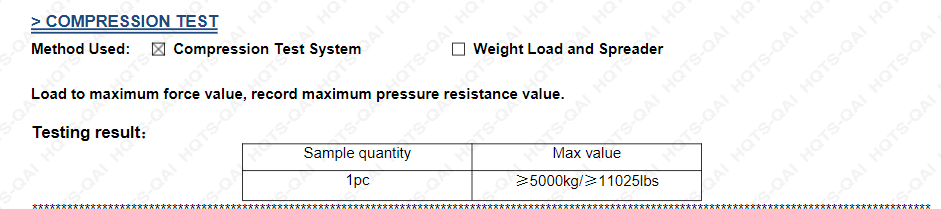
Figure 4: Testing Result of Our Shower Drain Product-Load-Bearing Capacity ≥5000kg
2.4 Materials & Corrosion Resistance
Floor drains are permanently exposed to water and detergents. They may even face mild acidic and alkaline environments. Therefore, EN 1253 requires the use of corrosion-resistant materials, such as SUS304/316 stainless steel or high-quality engineering plastics. It also specifies requirements for their corrosion resistance and temperature resistance. For instance, hot water cycle tests are required.
2.5 Anti-Slip Performance
For floor drain gratings installed in wet areas, such as shower rooms, EN 1253 sets out requirements for their anti-slip properties. These are typically based on DIN 51130 or DIN 51097 standards to prevent slipping.
3. Test Methods
The standard specifies in detail the specific test procedures, equipment, and conditions for verifying the above performance requirements. For example, how to conduct flow rate tests, how to conduct load tests, how to conduct anti-slip tests, etc.
III. EN 1253 Testing and Certification Process
To obtain EN 1253 compliant certification and CE marking, several steps are typically required:
Step 1: Product Evaluation & Classification
Determine the product type, intended use, and applicable EN 1253 classification standards.
Step2: Select a Certification Body
Select an EU-authorized Notified Body. It must have qualifications for floor drain testing.
Step 3: Submit Samples and Technical Documentation
Submit representative product samples to the certification body. In addition, provide complete technical documentation including product drawings, material lists, and instruction manuals.
Step 4: Type Testing
The certification body conducts a full set of performance tests on the samples. This occurs in an accredited laboratory according to EN 1253 standards.
Step 5: Initial Factory Inspection (Optional)
For certain high-risk products or specific certification modules, the certification body may need to inspect the factory’s production quality control system.
Step 6: Obtain Certificate and Sign DoP
Upon passing the tests, the certification body issues a certificate of conformity. Consequently, the manufacturer needs to sign a Declaration of Performance (DoP), declaring that the product complies with relevant standards.
Step 7: Affix CE Marking
Finally, the manufacturer affixes the CE marking to the product, packaging, or accompanying documents in accordance with regulations.
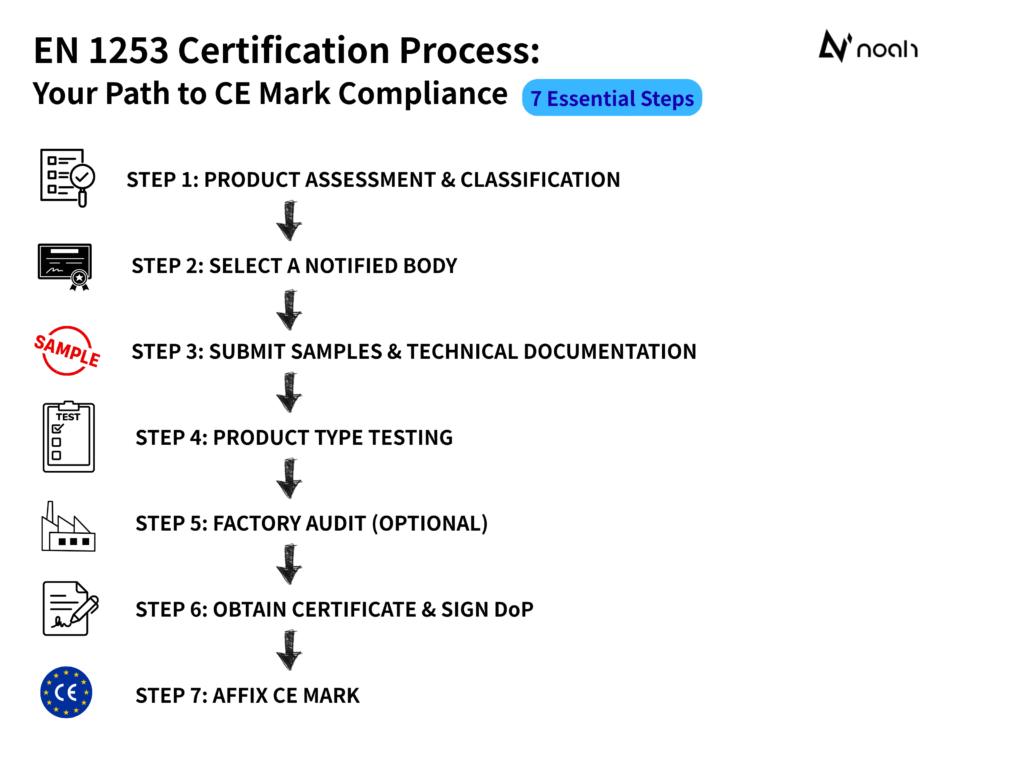
Figure 5: EN 1253 Certification Process Infographic
IV. Benefits of Complying with the EN 1253 Standard
Whether you are a shower drain manufacturer or an importer, compliance with the EN 1253 standard will bring significant commercial value. Specifically, it offers:
(1) Compliant and Legal Market Access
Completely eliminate the risks of goods being seized, fines, or forced recalls. This is due to non-compliance with standards.
(2) Significant Competitive Advantage
Stand out among numerous products of varying quality. Many large construction projects and professional buyers explicitly require products compliant with the EN 1253 standard.
(3) Reduced Operational Risk
Ensure reliable product quality. This significantly reduces customer complaints and after-sales service costs caused by water leakage, odor issues, or structural failure.
(4) Establish a High-End Brand Image
Demonstrate your company’s commitment to providing products that meet international high-quality standards. This enhances the brand’s market recognition.
V. How to Select and Use EN 1253 Compliant Shower Drains
To select the right product, follow this selection and user checklist:
(1) Check for the CE Marking and Standard Number
Look for the “CE” mark on the product or its packaging. Confirm that the EN 1253 standard number is clearly marked next to it or in the accompanying documents.
(2) Request and Verify the Declaration of Performance (DoP)
The DoP is the manufacturer’s formal commitment to the product’s performance. Carefully verify key parameters in the DoP. For example, check discharge capacity/flow rate, load class, and water seal depth. Ensure they meet your project requirements.
(3) Select the Load Class Based on the Application Scenario
Class K3 is sufficient for domestic bathrooms. However, selection should be made carefully for shower rooms if heavy objects will be moved. Garages must select Class L15 or higher.
(4) Pay Attention to Trap Design and Cleanability
A high-quality trap should block odors. In addition, it should be easy to disassemble and clean to remove accumulated hair and debris, thus preventing blockages.
(5) Select Reputable Brands and Suppliers
Well-known brands usually have more comprehensive quality control systems and after-sales service. Their declarations of conformity are often more credible.
I. Why EN 1253 is the “Access Key” to the Shower Drain Market
In the construction and sanitaryware industries, the European market is renowned for its high standards and rigorous requirements. This is particularly true with the rising trend of walk-in linear shower designs in modern architecture. For the seemingly small yet crucial architectural component that is the shower drain, Europe likewise enforces a strict set of access standards—EN 1253.
EN 1253 (“Gullies for buildings”) is a harmonized standard for construction products. It is mandated by the European Commission. It applies to floor gullies, roof drains, and associated traps used within buildings.[1]
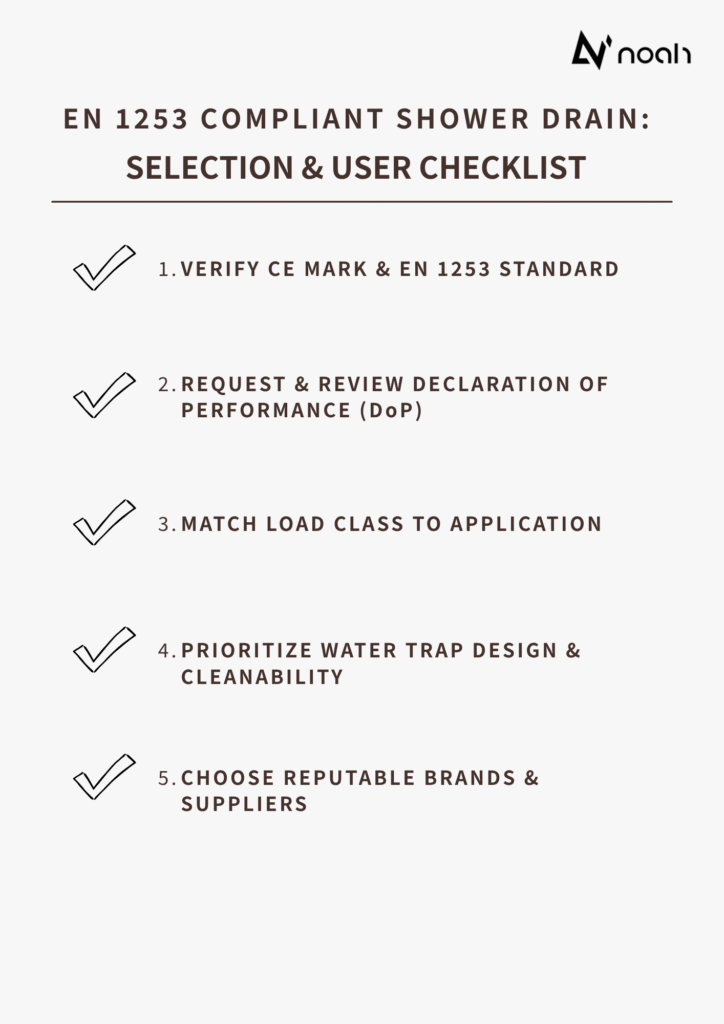
Figure 6: EN 1253 Compliant Shower Drain: Selection&User Checklist
VI. Conclusion
This blog is designed to help you make informed and compliant decisions. At Noah, we don’t just interpret the regulations; we strictly adhere to them in practice. Our EN 1253-certified, high-performance linear drains are engineered precisely to meet, and often exceed, these stringent standards.
Learn how to verify the Declaration of Performance (DoP) and select the perfect drain for your project from our certified product range. Your successful entry into the European market begins here.
References
[1] CEN. EN 1253: Gullies for buildings. Brussels: European Committee for Standardization (CEN); 2015.
To get more information about our products, please fill out the form below.