In the architectural world of 2026, the bathroom has transitioned from a purely functional space to a sophisticated sanctuary. Central to this evolution is the modern drainage system, specifically the horizontal shower drain. As curbless, open-concept showers become the standard for both luxury homes and accessible commercial designs, understanding horizontal shower drain dimensions is critical for engineers, designers, and homeowners alike. Choosing the correct size is not merely an aesthetic decision; it involves hydraulic calculations to prevent flooding, ensure odor control, and integrate seamlessly with floor tiling. This guide provides an exhaustive look at standard dimensions, flow capacities, and industrial trends shaping the market this year.
Table of Contents
- What is a Horizontal Shower Drain?
- Standard Outlet and Pipe Connection Sizes
- Linear Drain Lengths and Widths
- Bathroom Drainage Experts: Industrial Excellence
- Flow Rate Requirements for 2026 Showerheads
- Installation Height and Floor Depth Considerations
- Summary Table of Standard Sizes
- Frequently Asked Questions (FAQs)
- References
What is a Horizontal Shower Drain?
A horizontal shower drain refers to a drainage assembly where the waste outlet exits the drain body horizontally, parallel to the floor, rather than dropping vertically through it. This configuration is essential for modern high-rise apartments, renovated hospitality spaces, and wooden subfloors where vertical clearance is limited. By utilizing a horizontal outlet, the drain connects to the P-trap within the floor screed or the joist space without requiring a massive hole through the structural slab.
In 2026, the horizontal shower drain has evolved into several specific formats, including ultra-thin linear channels and wall-integrated systems. These designs facilitate the one-way slope (plane slope) required for large-format tiles, eliminating the complex four-way pitch needed for traditional center point drains.
Standard Outlet and Pipe Connection Sizes
The core functionality of any horizontal shower drain depends on its connection to the building’s plumbing stack. In 2026, international plumbing codes have converged on several standard diameters to handle the increased output of luxury rain shower systems.
DN50 (50mm / 2-inch) Outlet
This is the most common size for residential horizontal shower drain installations in North America and Europe. A 2-inch waste line is typically required by code for a single shower to handle the standard flow of 9 gallons per minute (GPM). It offers the perfect balance between drainage speed and floor height requirements.
DN40 (40mm / 1.5-inch) Outlet
Often found in compact European renovations or as part of a multi-drain system, the 40mm horizontal shower drain is used when floor depth is extremely restricted. While common in older buildings, modern high-flow showerheads may require multiple DN40 outlets to prevent pooling.
DN100 (100mm / 4-inch) Outlet
Used primarily in commercial hospitality or public aquatic facilities, these larger outlets are rare in residential settings but essential for communal shower banks where a single horizontal shower drain channel might serve three or four showerheads simultaneously.
Bathroom Drainage Experts
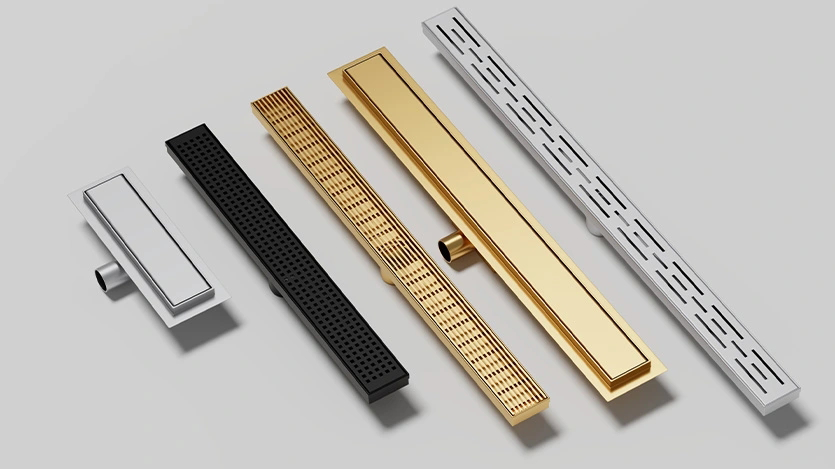
As a leading shower drain manufacturer, we specialize in high-quality, visually striking drainage solutions for bathrooms, hotels, and commercial spaces. Our complete OEM and ODM services include ultra-thin linear drains, square drains, vertical drains, and fully customized shower systems, made from 304 stainless steel with durable PVD finishes.
With brand customization, rapid prototyping, and globally recognized certifications, we help clients stay competitive and deliver premium end-user experiences. From innovative design to precise installation, our products provide efficient, durable, and modern shower drainage solutions.
Linear Drain Lengths and Widths
Linear versions of the horizontal shower drain come in various lengths to match the width of the shower enclosure. Proper sizing ensures that water is captured across the entire entry or wall-side of the shower, preventing bypass flooding.
- Standard Residential Lengths: 24, 32, 36, 42, 48, and 60 inches. A 36-inch length is the most common for standard tub-to-shower conversions.
- Custom Architectural Lengths: High-end manufacturers now offer lengths up to 72 or even 96 inches for large spa showers, often requiring dual horizontal outlets to maintain flow efficiency.
- Standard Channel Widths: Most linear horizontal shower drain systems have a visible width of 1.5 to 3 inches. The Ultra-Thin Type Shower Drain is particularly popular in 2026 for its minimalist 1-inch visible profile.
Flow Rate Requirements for 2026 Showerheads
In 2026, the “spa-experience” trend means many showers feature multiple heads, body sprays, and handheld wands. A horizontal shower drain must be sized to handle the cumulative output. For example, a single 2-inch horizontal outlet with a 0.5-inch head of water (slight ponding) can typically handle 12-15 GPM. If your total shower output exceeds 15 GPM, you must consider a horizontal shower drain with two separate outlets or a larger commercial-grade channel.
Important Note: The drainage capacity of a horizontal shower drain is often limited not by the grate, but by the horizontal slope of the pipe following the drain. A minimum slope of 1/4 inch per foot is required to maintain gravity flow and prevent sediment buildup.
Installation Height and Floor Depth Considerations
One of the biggest advantages of a modern horizontal shower drain is the reduced installation height. In 2026, ultra-flat models have been engineered with heights as low as 50mm to 65mm. This allows for the installation of a curbless walk-in shower without having to recess into the structural slab, which is a game-changer for high-rise apartment renovations.
The Invisible Shower Drain and Insert Wall Shower Drain models are particularly efficient here, as they utilize the space between the floor and the wall (the wall-to-floor transition) to hide the drainage mechanism, effectively requiring zero additional floor depth.
Summary Table of Standard Sizes
| Drain Type | Standard Outlet Size | Common Lengths | Installation Height |
|---|---|---|---|
| Linear Horizontal Drain | DN50 (2″) | 24″ to 60″ | 65mm – 90mm |
| Ultra-Thin Linear | DN40 or DN50 | Up to 72″ | 50mm – 60mm |
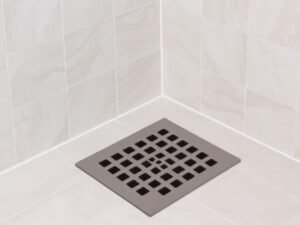
| Square Horizontal Drain | DN50 (2″) | 4″ x 4″ or 6″ x 6″ | 70mm – 100mm |
| Wall Integrated Drain | DN50 (2″) | 300mm to 1200mm | Varies by wall depth |
| Triangular Corner Drain | DN40 (1.5″) | Standard corner fit | 80mm+ |
Frequently Asked Questions (FAQs)
References
- International Residential Code (IRC) 2024-2026: Section P2708 – Shower Compartments and Drains.
- AS/NZS 3500.2: Plumbing and Drainage Standards for Residential Wet Areas.
- European Standard EN 1253: Gullies for Buildings and Drainage Flow Rate Capacities.