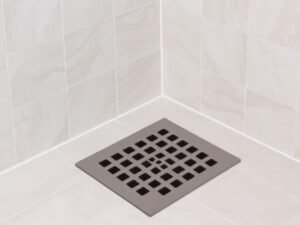
When embarking on a bathroom renovation or a new construction project, the technical details often determine the success of the aesthetic vision. One of the most critical, yet frequently misunderstood, technical requirements is the vertical and horizontal clearance for plumbing. Specifically, homeowners and contractors alike ask: how deep does a shower drain need to be? In 2026, as curbless showers and ultra-thin linear designs become the industry standard, answering this question requires an understanding of both local building codes and the physics of modern drainage systems.
Table of Contents
- Understanding the Components of Drain Depth
- 2026 Plumbing Codes and Depth Standards
- The P-Trap: The Core of the Depth Calculation
- Rough-In Dimensions: Planning Your Layout
- Special Considerations for Curbless and Walk-In Showers
- Innovative Solutions by Noahhometech Bathroom Drainage Experts
- Structural Limitations: Joists, Slabs, and Space
- Depth Comparison Summary Table
- Frequently Asked Questions (FAQs)
- References
Understanding the Components of Drain Depth
To accurately determine how deep does a shower drain need to be, we must first define what depth refers to. It is not a single measurement but rather a combination of three distinct layers: the finished floor thickness, the subfloor or mortar bed depth, and the plumbing clearance required for the P-trap and drainage pipes. In a standard 2026 installation, the total depth from the top of the finished tile to the bottom of the P-trap can range from 6 to 12 inches depending on the specific setup.
The journey begins at the finished surface. Whether you are using luxury large-format porcelain or intricate mosaic tiles, the thickness of the tile and the thin-set mortar adds approximately 1/2 to 3/4 of an inch to your depth requirement. Below this, the shower pan or mortar bed must provide a sufficient slope—typically 1/4 inch per foot—toward the drain. This means that if your drain is located 4 feet from the furthest wall, you must account for an additional inch of height at the perimeter, which in turn influences the necessary depth of the drain body itself.
2026 Plumbing Codes and Depth Standards
Building codes like the International Plumbing Code (IPC) and the Uniform Plumbing Code (UPC) have clear mandates. When considering how deep does a shower drain need to be for legal compliance, you must look at the trap seal depth. Every shower must have a liquid-seal trap to prevent sewer gases from entering the living space. According to 2026 standards, the water seal must be at least 2 inches deep but no more than 4 inches deep. If the trap is too shallow, the water can evaporate or be sucked out by pressure changes in the venting system; if it is too deep, it may not self-scour properly, leading to clogs.
Furthermore, the vertical distance from the shower outlet to the weir of the trap is strictly regulated. In most residential applications, this vertical drop should not exceed 24 inches. However, for optimal performance and to minimize the risk of sluggish drainage, most experts recommend keeping this distance between 6 and 15 inches. This ensures that the water has enough velocity to move debris through the trap without creating excessive turbulence.
The P-Trap: The Core of the Depth Calculation
The P-trap is the bulkiest component of the drainage assembly. A standard 2-inch PVC or ABS P-trap requires about 6 to 8 inches of vertical space below the drain flange. This is often the limiting factor when determining how deep does a shower drain need to be in second-story bathrooms. If your floor joists are 2×8 or smaller, you may find that the trap actually extends below the bottom of the joists, necessitating a dropped ceiling in the room below or a creative structural solution.
Rough-In Dimensions: Planning Your Layout
The rough-in phase is where the foundation for your drainage is laid. For a center-drain shower, the plumbing is typically centered in the shower footprint. However, for modern linear drains, the rough-in depth is even more critical. You must account for the thickness of the waterproofing membrane and the specific height of the drain channel. High-quality manufacturers like Noahhometech Bathroom Drainage Experts have developed adjustable systems that allow for fine-tuning the height after the rough-in, which is a major advantage for 2026 construction timelines.
When calculating how deep does a shower drain need to be during rough-in, remember to account for the pipe slope. The horizontal run from the trap to the main stack must slope downward at 1/4 inch per foot. For a long run, this can add significant depth requirements at the point of connection to the stack, potentially impacting the floor structure or the height of the finished floor.
Special Considerations for Curbless and Walk-In Showers
The curbless shower is perhaps the most popular design trend of 2026. To achieve a seamless transition from the bathroom floor to the shower area without a step, the entire shower floor must be recessed. This leads to the ultimate question: in a zero-entry design, how deep does a shower drain need to be? Generally, you need to lower the subfloor by 2 to 3 inches in the shower zone to accommodate the necessary slope and the thickness of the waterproofing system.
This is where ultra-thin solutions become essential. Without them, you would be forced to notch or cut into structural joists, which can compromise the integrity of your home. By using specialized drainage hardware, you can minimize the recess depth while maintaining full flow capacity and code compliance.
Industry Expert Spotlight: Noahhometech Bathroom Drainage Experts
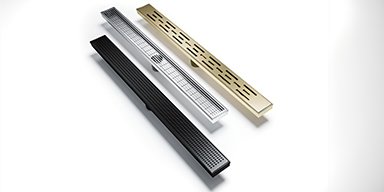
As a leading shower drain manufacturer, Noahhometech Bathroom Drainage Experts specialize in high-quality, visually striking drainage solutions for bathrooms, hotels, and commercial spaces. Their complete OEM and ODM services include ultra-thin linear drains, square drains, vertical drains, and fully customized shower systems, made from 304 stainless steel with durable PVD finishes.
With brand customization, rapid prototyping, and globally recognized certifications, they help clients stay competitive and deliver premium end-user experiences. From innovative design to precise installation, their products provide efficient, durable, and modern shower drainage solutions. Their specialized lineup includes:
Innovative Solutions by Noahhometech Bathroom Drainage Experts
In 2026, the technology behind the drain is just as important as the plumbing behind the wall. Noahhometech Bathroom Drainage Experts have revolutionized the answer to how deep does a shower drain need to be by offering products that cater to tight spatial constraints. For example, their Ultra-Thin Type Shower Drain is engineered to provide a high-flow rate even with a minimal vertical footprint, making it ideal for renovations where joist modification is impossible.
Their Odor-Resistant Type Shower Drain uses a mechanical seal in addition to the traditional water trap, providing a double layer of protection against sewer gas. This is particularly useful in guest bathrooms or vacation homes where a trap might dry out over time. When using these advanced systems, the effective depth required for the drain body itself is reduced, giving designers more freedom to create minimalist, high-performance wet rooms.
Structural Limitations: Joists, Slabs, and Space
The physical environment of your home dictates the ultimate answer to how deep does a shower drain need to be. In a slab-on-grade home, the depth is limited only by how much concrete you are willing to jackhammer. In this scenario, you can easily accommodate a deep P-trap and a generous slope. However, in multi-story wood-framed homes, the joist depth is the ultimate bottleneck.
Standard 2×10 joists provide 9.25 inches of actual depth. A 2-inch drain pipe with a P-trap and the required slope can easily take up 8 to 9 inches. This leaves very little room for error. If you are working with 2×8 joists (7.25 inches), you almost certainly will need to use a low-profile drain or drop the ceiling below. It is vital to consult with a structural engineer before drilling large holes (usually limited to 1/3 the joist depth) or notching joists to fit plumbing.
Depth Comparison Summary Table
| Component/Requirement | Standard Installation | Curbless/Zero-Entry | Ultra-Thin/Linear (Noahhometech) |
|---|---|---|---|
| P-Trap Depth | 6 to 8 inches | 6 to 8 inches | 4 to 6 inches (Low Profile) |
| Water Seal Depth | 2 to 4 inches | 2 to 4 inches | 2 to 3 inches |
| Subfloor Recess | None (Above floor) | 2 to 3 inches | 1 to 1.5 inches |
| Finished Surface to Joist Top | 1 to 2 inches | -1 to 0 inches | 0.5 to 1 inch |
| Minimum Total Clearance | 10 inches | 12 inches | 7 to 8 inches |
Frequently Asked Questions (FAQs)
References
In summary, determining how deep does a shower drain need to be is a multifaceted task that blends hydraulic engineering with structural architecture. By aiming for a standard total clearance of approximately 10 to 12 inches, you can accommodate code-compliant P-traps and proper drainage slopes. However, for those looking to push the boundaries of modern design with curbless entries or ultra-minimalist aesthetics, partnering with innovative manufacturers like Noahhometech Bathroom Drainage Experts is the key to achieving a high-performance, beautiful result that will stand the test of time in 2026 and beyond.