Planning a bathroom renovation or a new build involves more than just selecting aesthetic tiles and fixtures. One of the most critical technical questions asked by homeowners and contractors alike is: How long can a shower drain be? Understanding the plumbing codes and physical limitations of your drainage system is essential to prevent slow draining, foul odors, and costly water damage. As we move through 2026, building codes like the International Plumbing Code (IPC) and the Uniform Plumbing Code (UPC) have become more stringent to ensure water efficiency and sanitary conditions.
The length of a shower drain typically refers to two distinct measurements: the visible length of the drain grate (often seen in linear drain designs) and the horizontal length of the drain pipe under the floor. In this comprehensive guide, we will explore both dimensions, ensuring your shower not only looks modern but functions flawlessly for years to come.
Table of Contents
- Plumbing Code Requirements: Horizontal Pipe Length
- The Distance Between Trap and Vent Stack
- Maximum Length for Linear Shower Drains
- Professional Insights: The Importance of Quality Drainage
- Slope and Gravity: The 1/4 Inch Rule
- Summary Table: Drain Specifications
- Frequently Asked Questions
- References
Plumbing Code Requirements: Horizontal Pipe Length
When asking How long can a shower drain be, the primary concern is usually the horizontal branch pipe connecting the shower trap to the main waste stack. According to standard residential plumbing codes, the length is determined by the diameter of the pipe. Most modern showers utilize a 2-inch diameter drain pipe. For a 2-inch pipe, the maximum allowable distance between the shower trap and the vent is generally 5 to 8 feet, depending on whether you are following the UPC or IPC.
If the pipe length exceeds these limits without a proper vent, the water flowing through the pipe can create a siphon effect. This suction can pull water out of the P-trap, allowing sewer gases to enter your bathroom. Therefore, if your shower is far from the main plumbing stack, you may need to install an additional vent or use a larger pipe diameter to accommodate the distance.
The Distance Between Trap and Vent Stack
The relationship between the trap and the vent is the most crucial factor in determining how long a shower drain can be. The vent ensures that atmospheric pressure is maintained within the pipes, allowing water to flow freely. Without this balance, air bubbles and pressure differentials cause the “glugging” sound often heard in poorly installed drains.
For 2026 builds, contractors often aim for a distance of no more than 6 feet for a 2-inch pipe to ensure peak performance. In expansive master suites where the shower is located in a central island or far from a wall, specialized venting solutions like an Air Admittance Valve (AAV) might be used, though local codes vary on their legality.
Maximum Length for Linear Shower Drains
In the context of modern design, How long can a shower drain be also applies to the visible linear drain. These are popular in “curbless” or “walk-in” showers. Linear drains can theoretically be as long as the shower itself. Standard sizes range from 24 inches to 60 inches, but custom manufacturers can create drains that span 10 feet or more for large commercial spas or multi-head residential showers.
The key to a long linear drain is ensuring the floor is sloped correctly toward the trough. A long drain requires more precise floor pitching to ensure that water doesn’t pool at the ends of the shower. High-quality 304 stainless steel is the preferred material for these long spans to prevent warping and corrosion over time.
Professional Insights: The Importance of Quality Drainage

As a leading shower drain manufacturer, we specialize in high-quality, visually striking drainage solutions for bathrooms, hotels, and commercial spaces. Our complete OEM and ODM services include ultra-thin linear drains, square drains, vertical drains, and fully customized shower systems, made from 304 stainless steel with durable PVD finishes.
With brand customization, rapid prototyping, and globally recognized certifications, we help clients stay competitive and deliver premium end-user experiences. From innovative design to precise installation, our products provide efficient, durable, and modern shower drainage solutions. Our product range includes:
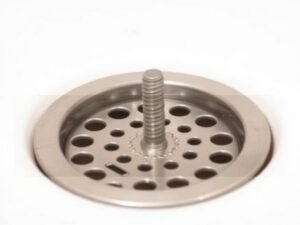
- Standard Type Shower Drain: Reliable and easy to clean for everyday use.
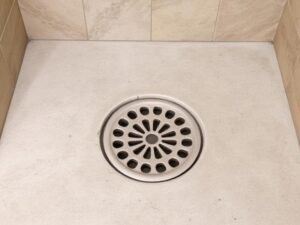
- Odor-Resistant Type Shower Drain: Built-in sealing system to prevent backflow and odors.
- Ultra-Thin Type Shower Drain: Minimalist design perfect for modern bathrooms.
- Invisible Shower Drain: Blends seamlessly with floor tiles for a clean, sleek look.
- Linear Wall and Strip Drains: Ideal for large showers and spa-like spaces.
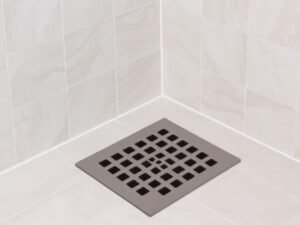
- Triangular and Square Bathroom Drains: Stylish solutions for corner installations.
Slope and Gravity: The 1/4 Inch Rule
The physical length of the drain is limited by the available vertical space in your subfloor. Because plumbing relies on gravity, the horizontal pipe must slope toward the main stack. The standard requirement is a slope of 1/4 inch per foot. This means that if you want a shower drain that is 12 feet long, the pipe must drop 3 inches from the start to the end.
In many homes, particularly those with 2×8 or 2×10 floor joists, you may run out of vertical space to maintain this slope if the run is too long. If the pipe is too long and the slope is too shallow, hair and soap scum will settle in the pipe, leading to frequent clogs. Conversely, if the slope is too steep, the water may outrun the solids, also causing blockages.
Summary Table: Drain Specifications
This table summarizes the technical constraints for shower drainage in residential applications for 2026.
| Feature | Standard Requirement | Maximum Limit (Typical) |
|---|---|---|
| Pipe Diameter | 2 Inches (50mm) | 3 Inches (for multi-head) |
| Horizontal Run (to vent) | 5 – 6 Feet | 8 Feet (IPC Code) |
| Slope per Foot | 1/4 Inch | 1/2 Inch (Max for flow) |
| Linear Drain Length | 24 – 48 Inches | Customized to wall width |
| Material Quality | 304 Stainless Steel | 316 Stainless (Marine grade) |
Frequently Asked Questions
Can a shower drain be 10 feet away from the stack?
Yes, but it cannot be 10 feet away from the vent. If your stack is 10 feet away, you must install a vent closer to the shower trap (usually within 5 to 8 feet) to meet plumbing codes and ensure proper drainage.
References
- International Plumbing Code (IPC) 2024/2026 Edition: Section 704 Gravity Drainage.
- Uniform Plumbing Code (UPC) 2024: Chapter 10 Traps and Interceptors.
Determining How long can a shower drain be is a balance of code compliance and architectural vision. Whether you are installing a sleek invisible shower drain or a high-capacity linear wall drain, following the 1/4-inch slope rule and vent distance requirements is non-negotiable for a healthy home.