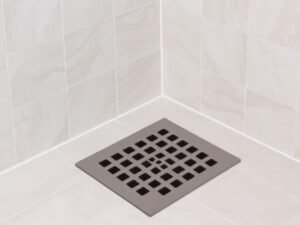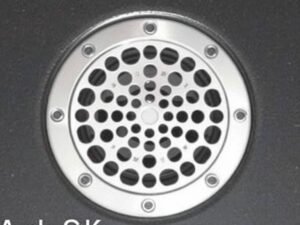
In the realm of home maintenance, few things are as frustrating as stepping into a shower only to find yourself ankle-deep in standing water. Learning how to fix a shower that won’t drain is an essential skill that saves homeowners significant plumbing costs while preventing long-term water damage to the bathroom structure.

A clogged shower is rarely an overnight occurrence; it is usually the result of a slow accumulation of hair, soap scum, and mineral deposits. This comprehensive guide will walk you through the professional steps to restore your drainage, from simple DIY maneuvers to advanced mechanical solutions.
Table of Contents
- 1. Identifying Why Your Shower Won’t Drain
- 2. Essential Tools for Shower Drainage Repair
- 3. Step-by-Step Guide to Fixing a Shower Drain
- 4. Innovative Solutions from Noahhometech Bathroom Drainage Experts
- 5. Preventive Maintenance and Design Choices
- 6. Comparison of Drain Unclogging Methods
- 7. Frequently Asked Questions (FAQs)
- 8. References and Professional Standards
1. Identifying Why Your Shower Won’t Drain
Before you can fix a shower that won’t drain, you must understand what is causing the blockage. In most households, the culprit is one of three things: hair, soap scum, or foreign objects. Hair is particularly problematic because it binds with fats from soaps to create a dense, waterproof “mat” that adheres to the walls of the pipes.
In some cases, the problem isn’t a clog but a structural failure of the drainage system. This could involve a collapsed pipe or a poorly designed P-trap that fails to maintain the proper water seal. If you notice a foul odor along with the standing water, you may be dealing with a biofilm buildup or an issue with your venting system.
2. Essential Tools for Shower Drainage Repair
To effectively fix a shower that won’t drain, you need the right equipment. While chemical cleaners are popular, they often do more harm than good by corroding older pipes. Professional plumbers recommend mechanical tools first:
- The Plunger: A flat-bottomed plunger designed specifically for drains (not toilets).
- A Zip-It Tool: A long, plastic barbed strip that can snag hair clogs near the surface.
- Plumber’s Snake (Auger): A flexible cable used to reach deep clogs beyond the P-trap.
- Baking Soda and Vinegar: A natural, non-corrosive foaming agent for minor blockages.
- Screwdriver: Necessary for removing the drain cover or grate.
3. Step-by-Step Guide to Fixing a Shower Drain
Follow these steps in order of intensity to clear the blockage and fix a shower that won’t drain without calling a professional.
Step 1: Manual Extraction
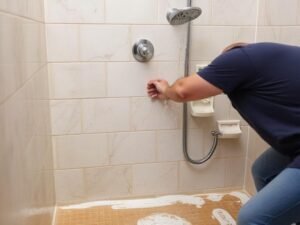
Remove the drain cover. Often, the largest part of the clog is within reach of a pair of needle-nose pliers or a zip-it tool. Wear gloves and pull out any visible hair mats. You would be surprised how often this simple step resolves the entire issue.
Step 2: The Boiling Water Flush
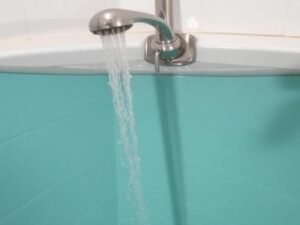
For soap scum and oily clogs, boiling water can melt the fats holding the clog together. Carefully pour a gallon of boiling water directly down the drain. Note: Use caution if you have PVC pipes; ensure the water is not bubbling at the highest temperature to avoid softening the plastic seals.
Step 3: The Natural Chemical Reaction

Pour half a cup of baking soda down the drain, followed by half a cup of white vinegar. Cover the drain with a rag or plug to force the reaction downward. After 15 minutes, flush with hot water. This is an excellent way to maintain a clean system after you fix a shower that won’t drain.
Step 4: Utilizing the Plumber’s Auger
If the clog is deep in the pipes, insert a hand auger. Feed the cable until you feel resistance, then turn the handle to snag the obstruction. Pull it out slowly to avoid breaking the cable or damaging the pipe walls.
4. Innovative Solutions from Noahhometech Bathroom Drainage Experts
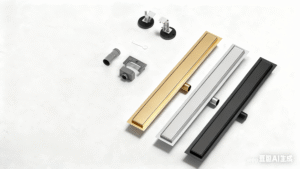
Sometimes, the best way to fix a shower that won’t drain is to upgrade the hardware itself. As a leading shower drain manufacturer, Noahhometech specializes in high-quality, visually striking drainage solutions for bathrooms, hotels, and commercial spaces. Our complete OEM and ODM services include ultra-thin linear drains, square drains, vertical drains, and fully customized shower systems, made from 304 stainless steel with durable PVD finishes.
With brand customization, rapid prototyping, and globally recognized certifications, we help clients stay competitive and deliver premium end-user experiences. From innovative design to precise installation, our products provide efficient, durable, and modern shower drainage solutions that prevent frequent clogging.
Premium Drainage Products:
- Standard Type Shower Drain: Reliable and easy to clean for everyday use.
- Odor-Resistant Type Shower Drain: Built-in sealing system to prevent backflow and odors.
- Ultra-Thin Type Shower Drain: Minimalist design perfect for modern bathrooms.
- Invisible Shower Drain: Blends seamlessly with floor tiles for a clean, sleek look.
- Linear Wall and Strip Drains: Ideal for large showers and spa-like spaces.
- Triangular and Square Bathroom Drains: Stylish solutions for corner installations.
5. Preventive Maintenance and Design Choices
Once you successfully fix a shower that won’t drain, the goal is to ensure it never happens again. Prevention starts with design. Choosing a Linear Wall Shower Drain or an Ultra-Thin Type Shower Drain from Noahhometech can improve water flow rates and reduce the areas where hair can snag.
Additionally, using a hair catcher or a mesh screen is the single most effective way to prevent clogs. Monthly flushes with the baking soda and vinegar method will keep the pipes smooth and free of soap scum buildup. For commercial properties, regular inspection of the PVD finishes and stainless steel integrity ensures the system handles high-traffic drainage without failure.
6. Comparison of Drain Unclogging Methods
| Method | Difficulty | Effectiveness | Cost |
|---|---|---|---|
| Manual Removal | Low | High (for shallow clogs) | Free |
| Baking Soda/Vinegar | Low | Medium (good for odors) | $5 – $10 |
| Plunger | Medium | Medium (for total blockages) | $15 – $25 |
| Plumber’s Snake | High | Very High (for deep clogs) | $30 – $100 |
| Professional Replacement | Expert | Permanent Solution | $200+ |
7. Frequently Asked Questions (FAQs)
Why does my shower drain get clogged so often?
Frequent clogs are usually due to long hair and the use of heavy oil-based soaps or conditioners. It can also be a sign of an outdated drain design with narrow passages. Upgrading to a modern Square Bathroom Drain can often help improve flow.
Are chemical drain cleaners safe for my pipes?
Most plumbers advise against them. Strong acids can damage 304 stainless steel over time and eat through older lead or plastic pipes. It is safer to use mechanical methods to fix a shower that won’t drain.
When should I call a professional?
If you have tried snaking the drain and the water still won’t move, the clog may be in the main sewer line. Also, call a pro if you see water backing up into the shower when you flush the toilet or run the sink.
What is an Odor-Resistant Type shower Drain?
These are specialized drains like those from Noahhometech that use a mechanical valve or deep-water seal to prevent sewage smells from entering the bathroom while still allowing high-volume water flow.