Modern bathroom aesthetics have undergone a significant transformation with the introduction of sleek, minimalist drainage solutions. Among these, the linear drain stands out as a symbol of contemporary luxury and high-performance engineering. However, the visual appeal of a curbless shower can quickly fade if the drainage system is neglected. Knowing exactly how to maintain a linear shower drain is not just about cleanliness; it is about preserving the structural integrity of your bathroom and ensuring a hygienic environment for your family.
- Understanding Linear Drain Anatomy
- Daily Habits to Maintain a Linear Shower Drain
- The Step-by-Step Deep Cleaning Process
- Noahhometech E Series: Innovative Wall Drainage
- Advanced Clog Prevention Strategies
- Chemical Safety: What to Use and What to Avoid
- Comparison and Technical Specifications
- Frequently Asked Questions (FAQs)
Understanding Linear Drain Anatomy
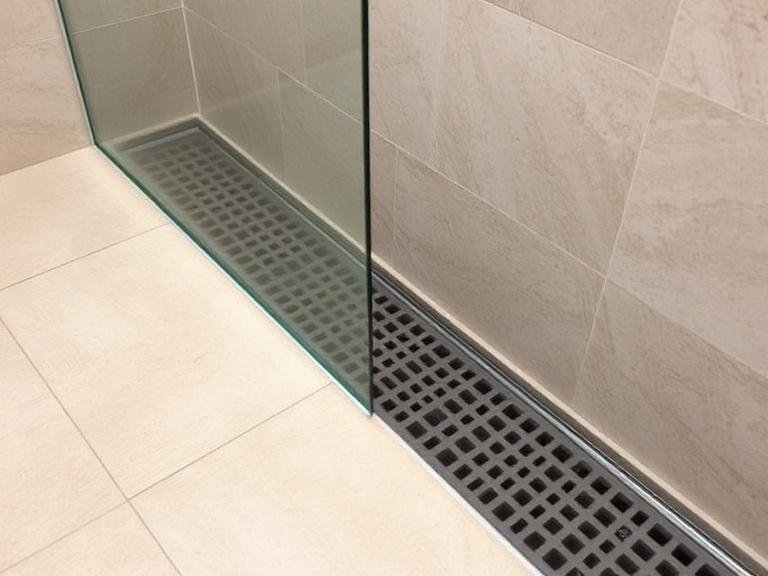
Before diving into the manual labor, it is crucial to understand the components of the system you are cleaning. Unlike traditional center drains, a linear drain consists of a long, narrow trough, a decorative grate (or tile-in tray), and an internal hair strainer or debris basket. Because these drains are designed to handle a higher volume of water—often up to 36 liters per minute—the surface area for potential buildup is significantly larger.
To properly maintain a linear shower drain, you must acknowledge that the trough itself is a collection point for soap scum, skin cells, and hard water minerals. Because linear drains often sit at the edge of the shower or against a wall, they can accumulate debris that traditional drains might flush away more easily due to steeper localized slopes.
Daily Habits to Maintain a Linear Shower Drain
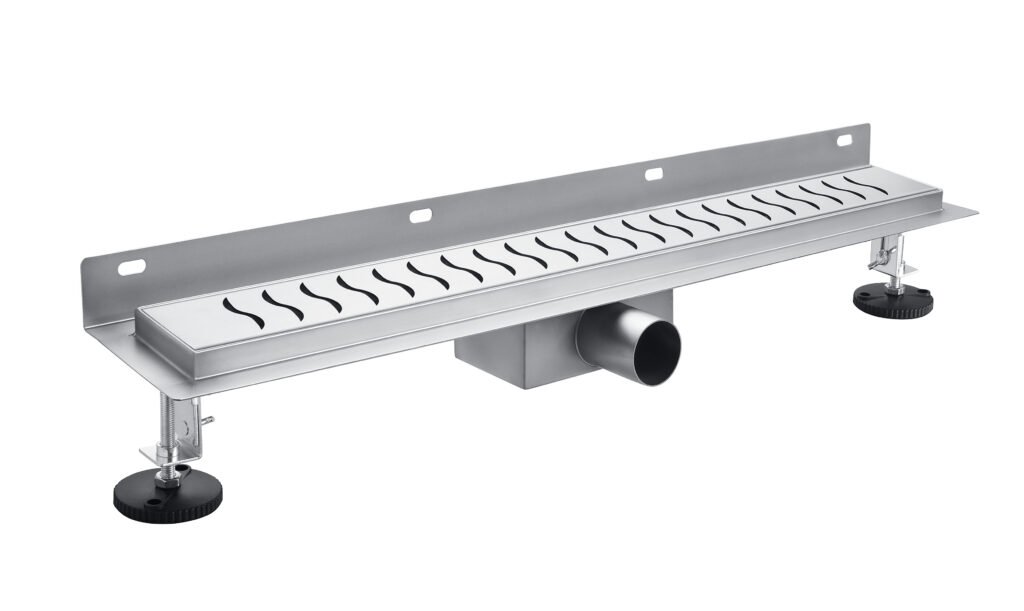
Prevention is the most effective way to maintain a linear shower drain without resorting to harsh chemicals or professional plumbing services. Incorporating small habits into your daily routine can extend the interval between deep cleanings significantly.
The Post-Shower Rinse
After every shower, take a few seconds to spray the drain grate with the handheld showerhead. This simple act helps flush away lingering soap suds and hair that haven’t quite reached the strainer yet. Soap scum is the primary “glue” that traps hair and debris; by rinsing it while it is still liquid, you prevent it from hardening into a stubborn film.
Surface Debris Removal
If you notice visible hair on top of the grate, remove it immediately. Allowing hair to sit on the stainless steel surface can lead to localized discoloration or even tea staining if your water has high mineral content. To maintain a linear shower drain at peak performance, the grate must remain clear to allow for maximum flow rate.
The Step-by-Step Deep Cleaning Process
Even with daily rinsing, a deep clean is required every 2 to 4 weeks depending on usage. Follow this professional-grade protocol to maintain a linear shower drain and keep it smelling fresh.
1. Grate Removal
Most modern linear drains come with a small lifting key. Insert the key and lift the grate carefully. If you have a tile-in drain, be extra cautious as the panel is heavier and the edges can be sharp. Set the grate aside on a soft cloth to avoid scratching the finish.
2. Empty the Hair Strainer
This is where the majority of blockages occur. Remove the internal basket or hair strainer. Dispose of the trapped debris in the trash—never flush it down the drain. Rinse the basket under a faucet to ensure all tiny particles are removed.
3. Trough Sanitization
The trough itself can develop a biofilm (pink mold or mildew). Use a soft nylon brush and a mild detergent or a solution of white vinegar and water. Scrub the corners of the trough thoroughly. To maintain a linear shower drain, avoid using steel wool or abrasive pads, as these will scratch the 304 stainless steel and create tiny pockets where bacteria can grow.
Noahhometech E Series (Linear Wall Shower Drain)
The Space-Saving Solution for Modern Bathrooms.
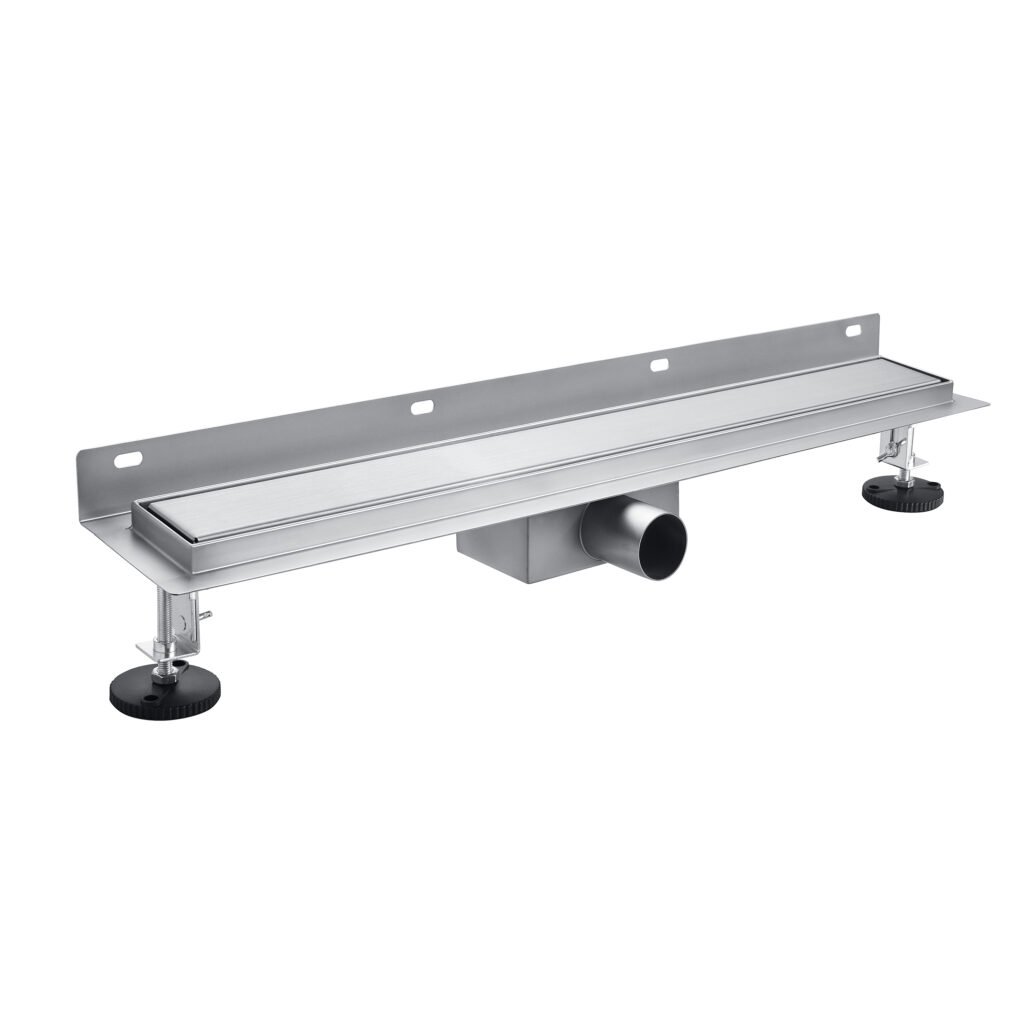
The E Series wall-mounted shower drain represents a revolution in bathroom design, shifting drainage from the floor to the wall-floor junction. This innovative approach creates a cleaner visual appearance while maximizing usable shower space. Because the drain is positioned at the wall, it is often easier to maintain a linear shower drain of this type, as it is less prone to being stepped on directly, reducing the compaction of hair and soap into the grate.
Key Features:
- Space-Optimizing Design: Wall positioning frees up valuable floor space.
- Sleek Aesthetics: Minimalist appearance with a narrow visible drainage channel.
- Practical Innovation: Collects water efficiently at the wall-floor intersection.
- Premium Materials: Constructed from durable 304/316 stainless steel.
- Designer Appeal: Perfect complement to contemporary bathroom aesthetics.
| Specification | Detail |
|---|---|
| Length | 300-3000mm |
| Flow Rate | 36L/min |
| Material | SS304 |
| Adjustable Height | 65-80mm |
Our specialized products include:
Advanced Clog Prevention Strategies
If you find that you are constantly fighting slow drainage, you may need to look at your choice of bath products. To maintain a linear shower drain effectively, consider the following:
Switching to Liquid Soap
Bar soaps contain fats and oils that solidify when they cool down in the drain trough. This creates a “waxy” buildup that is a magnet for hair. Switching to liquid body wash significantly reduces the amount of solid waste entering your drainage system.
Monthly Vinegar Flush
Once a month, pour a cup of baking soda followed by a cup of white vinegar down the outlet. Let it fizz for 15 minutes, then flush with boiling water. This natural reaction helps break down organic matter in the p-trap without damaging the stainless steel or the PVC piping. This is a secret weapon to maintain a linear shower drain in a hard water area.
Chemical Safety: What to Use and What to Avoid
Warning: Many commercial drain cleaners contain sulfuric acid or high concentrations of bleach. These can cause permanent pitting and corrosion on stainless steel grates.
To safely maintain a linear shower drain, stick to non-corrosive cleaners. If you must use a commercial cleaner for a deep clog, ensure it is labeled “Safe for Stainless Steel” and “Safe for PVC.” Always remove the decorative grate before using heavy chemicals so that only the internal pipes are exposed to the solution.
Comparison and Technical Specifications
Maintenance requirements often vary based on the build quality of the drain. Cheaper units use 201-grade stainless steel which is prone to rust, making it nearly impossible to maintain a linear shower drain long-term. Premium units, like the Noahhometech E Series, utilize 304 or 316 stainless steel for superior corrosion resistance.
| Drain Type | Maintenance Level | Cleaning Frequency | Recommended Cleaner |
|---|---|---|---|
| Standard Floor Linear | Moderate | Every 2 weeks | Dish soap & Warm water |
| Noahhometech Wall Linear | Low | Monthly | Vinegar/Water Solution |
| Tile-In Hidden Drain | High | Weekly | Nylon Brush & Sanitizer |
Frequently Asked Questions (FAQs)
Q: Why does my linear drain smell like rotten eggs?
A: This is usually caused by “dry trap” syndrome or a buildup of biofilm in the trough. If the shower isn’t used frequently, the water in the p-trap evaporates, allowing sewer gases to enter. If the shower is used daily, the smell is likely bacteria growing in the hair strainer. Follow the deep cleaning steps above to eliminate the odor.
Q: Can I put the stainless steel grate in the dishwasher?
A: While technically possible, it is not recommended. Dishwasher detergents are highly abrasive and can dull the finish of the stainless steel. Hand-washing with a soft cloth is the best way to maintain a linear shower drain grate’s luster.
Q: How do I remove hard water spots from my drain?
A: Soak a cloth in white vinegar and lay it over the spots for 30 minutes. The acidity will dissolve the calcium deposits. Rinse thoroughly with water afterward to maintain the pH balance of the metal surface.
Conclusion
A linear drain is more than just a plumbing fixture; it is a design statement. To maintain a linear shower drain is to respect the craftsmanship of your home and ensure that your daily sanctuary remains pristine. By alternating between simple daily rinses and bi-weekly deep cleans, you can ensure that your drainage system remains as functional as it is beautiful. For those seeking the absolute easiest maintenance experience, innovative solutions like the Noahhometech E Series wall-mounted drain offer a strategic advantage by reducing the accumulation of floor-level debris.
References
- ASME A112.18.2/CSA B125.2: Standard for Plumbing Waste Fittings.
- International Association of Plumbing and Mechanical Officials (IAPMO) – Shower Drainage Guidelines.