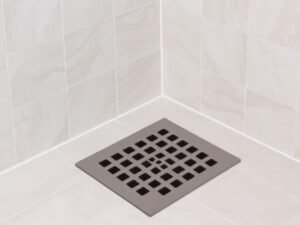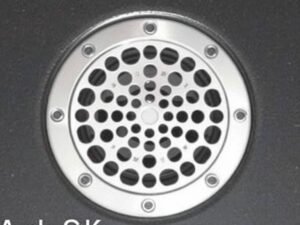
Opening Paragraph
No one wants their home to smell like a sewer. Yet many homeowners accept this as normal, not realizing the issue often stems from their shower or floor drain. The good news? Modern odor-resistant drains offer a simple, effective solution. But with so many options available, how do you choose the right one for your home?
Snippet Paragraph
Discover how to eliminate bathroom odors for good by selecting the best odor-resistant drain based on your home type, usage, and climate.
Transition Paragraph
Choosing the right drain is about more than appearance or cost—it’s about engineering, material science, and understanding your plumbing environment. Let’s explore the options together.
Standard drains let sewer gases escape when the trap dries or seals wear out.
1. What Makes a Drain Truly Odor-Resistant?
Snippet: True odor-resistance depends on a combination of air-tight sealing, proper water trap depth, and corrosion-resistant materials.

Dive Deeper
Most effective odor-blocking drains include:
- Silicone seal cores that flex with water pressure
- Mechanical spring or gravity-based valves
- Hybrid traps that combine water seals with one-way airflow blocks
| Feature | Function | Benefit |
|---|---|---|
| One-way valve | Blocks sewer gas | No smell when dry |
| Water trap support | Adds redundancy | Extra protection |
| Insect-proof screen | Prevents pests from entering | Safer, cleaner bathroom |
Look for designs that block gases even after long periods of no water use.
Using both air-blocking valves and anti-bacterial materials creates multi-layered protection.
2. What Types of Odor-Blocking Mechanisms Are Available?
Snippet: Drain technology has advanced. From traditional water traps to intelligent mechanical seals, new designs keep smells out permanently.

Dive Deeper
- Silicone Flap Cores: Cost-effective, flexible, and ideal for most homes.
- Spring-Loaded Mechanical Cores: Close automatically; good for guest bathrooms or low-use areas.
- Magnet Seals: Premium option with durable closing action.
| Type | Use Case | Lifespan | Cost |
| Silicone Valve | Daily-use showers | 2–5 years | Low |
| Spring-Loaded Core | Seasonal/Guest bathrooms | 5–10 years | Medium |
| Magnetic Seal Core | Luxury/basement or exposed areas | 10+ years | High |
3. How Do You Match the Drain Type to Your Bathroom Environment?
Snippet: Drain efficiency depends on bathroom usage, climate, and frequency of cleaning.

Dive Deeper
- Daily use: Choose hybrid core drains with both water seal + silicone flap.
- Occasional use (guest rooms, seasonal homes): Use spring-loaded mechanical cores.
- Wet climates or poor ventilation: Go for stainless drains with anti-bacterial features.
| Bathroom Type | Suggested Drain Style | Seal Mechanism |
| Main Bathroom | Hybrid core (water + valve) | Silicone + Water Trap |
| Guest Bathroom | Mechanical close core | Spring/Magnet |
| Basement/Outdoor | Gravity valve core | One-way airflow |
High humidity or floor heating systems can accelerate water evaporation, so pick a mechanical option.
4. What Materials Should You Look for in a Durable Drain?
Snippet: The best odor-resistant drains are made from stainless steel, brass, or ABS polymer with anti-corrosive properties.

Dive Deeper
- Stainless Steel (SS304/SS316): Corrosion-proof and sleek.
- ABS Plastic: Lightweight, cost-effective, and chemical-resistant.
- Brass: Durable and traditionally used in luxury bathrooms.
Avoid chrome-coated zinc or low-grade plastic, as they degrade quickly.
| Material | Strength | Rust Resistance | Price |
| SS304 | High | Excellent | $$ |
| ABS | Medium | Good | $ |
| Brass | Very High | Excellent | $$$ |
Interactive Quiz: Which Drain Type Is Best for Your Home?
- How often is this bathroom used?
- A) Daily
- B) Weekly
- C) Rarely
- Is your home in a humid or dry region?
- A) Humid
- B) Dry
- Is long-term durability a priority for you?
- A) Yes
- B) No
Results:
- Mostly A’s → Choose a Hybrid or Magnetic core in SS304
- Mostly B’s or C’s → Go with a Spring-loaded ABS core
Conclusion
Sewer smells are a thing of the past—if you know how to choose the right drain. By selecting a drain that fits your usage habits, climate, and durability needs, you can protect your home and enjoy a fresher, cleaner bathroom every day.
External Links Recommendation
- How Modern Shower Drains Work – Plumbing Engineer Magazine
- Building Codes for Odor Control – ICC
- Drain Sealing Innovations – NSF
References & Footnotes
- ICC Plumbing Code 2024 – Section P3202.3
- NSF Certified Drain Technologies – NSF International (2023)
- National Building Materials Testing Journal, 2022
Abbreviations
- SS304 – Stainless Steel Grade 304
- ABS – Acrylonitrile Butadiene Styrene
- OEM – Original Equipment Manufacturer
- NSF – National Sanitation Foundation
- HCHO – Formaldehyde (VOC often emitted from low-grade plastics)