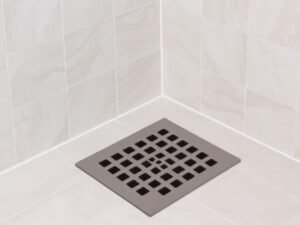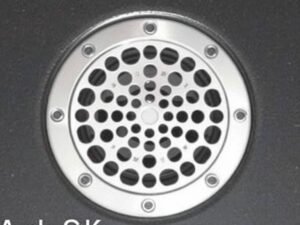
Opening Paragraph
If you’ve ever been surprised by an unpleasant smell in your bathroom, the source might not be your cleaning habits—but your floor drain. While design and structure matter, the materials used in a shower drain play a critical role in odor resistance. But what exactly are these materials? Which ones are most effective in blocking odors long-term?
Snippet Paragraph
This article explores the key materials that make a shower drain odor-resistant, comparing stainless steel, ABS plastic, brass, and silicone sealing components. Learn how to select the right material for lasting odor control in residential and commercial settings.
Transition Paragraph
Odor control in bathroom drains isn’t just about function—it’s about choosing the right materials that resist corrosion, seal tightly, and last through years of use. Let’s look at what really makes a drain “odor-resistant.”
Stainless steel and silicone seals perform better in moisture and chemical environments compared to cheap plastics.
1. Why Do Materials Matter in Odor-Resistant Shower Drains?
Snippet:
The choice of material directly impacts the drain’s ability to seal, resist corrosion, and stay effective over time.

Dive Deeper
Odor resistance depends not only on mechanical design but on how well materials block gases, resist bacterial buildup, and retain their physical properties. Poor-quality plastics may deform under heat and allow gas leakage, while stainless steel maintains its form and integrity.
Low-quality plastics can warp or crack, compromising odor-blocking seals over time.
Softer materials like silicone help form tighter seals and prevent air leakage.
2. What Are the Most Effective Metals for Anti-Odor Drains?
Snippet:
Stainless steel and brass are commonly used for high-performance drains—each offering unique benefits in odor control.

Dive Deeper
-
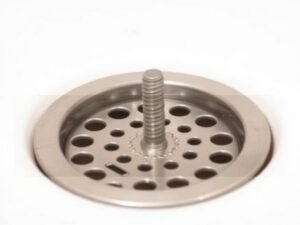
Stainless Steel (304 or 316): Rust-proof, easy to clean, corrosion-resistant. Best for wet environments and long-term reliability.
-
Brass: Has natural antimicrobial properties and resists mineral buildup, though costlier than steel.
Stainless steel is ideal for exposed areas due to its sleek look and hygiene. Brass is often used internally in mechanical seals.
3. How Do Silicone and Rubber Seals Prevent Bad Smells?
Snippet:
Soft sealing materials like silicone are critical in forming airtight barriers that block sewer gases.

Dive Deeper
Silicone components are often used in the drain core or in T-shaped valves. They flex under pressure and reseal immediately when water flow stops. Compared to rubber, silicone is more durable and resistant to mold, making it perfect for high-moisture areas.
Silicone retains elasticity and sealing capability even after years of use.
Modern anti-odor drains feature replaceable silicone cores, allowing users to maintain performance without full replacement.
4. Which Materials Offer the Best Balance of Durability and Cost?
Snippet:
When budget meets performance, the right combination of steel body and silicone core often delivers the most value.
Dive Deeper
Many OEM manufacturers now use stainless steel bodies with internal silicone odor cores, offering high durability, ease of cleaning, and minimal maintenance. ABS plastic frames may reduce cost but compromise lifespan and tight sealing.
| Material | Odor Resistance | Durability | Cost | Recommended Use Case |
|---|---|---|---|---|
| 304 Stainless Steel | ★★★★☆ | ★★★★★ | $$ | Residential + Commercial projects |
| Brass | ★★★★★ | ★★★★☆ | $$$ | Internal parts for premium drains |
| ABS Plastic | ★★☆☆☆ | ★★☆☆☆ | $ | Temporary or low-traffic areas |
| Silicone Seals | ★★★★★ | ★★★★☆ | $ | Internal sealing components |
Interactive Quiz: What’s Your Ideal Drain Material Combo?
-
What type of environment will your drain be used in?
-
A) Residential bathroom
-
B) Hotel or public facility
-
C) Outdoor or semi-open bathroom
-
-
Do you require anti-microbial properties?
-
A) Yes
-
B) No
-
-
Preferred maintenance frequency?
-
A) Minimal
-
B) Doesn’t matter
-
Results:
-
Mostly A’s → Stainless Steel + Silicone Core
-
Mostly B’s → Brass Internal with Steel Frame
-
Mostly C’s → Plastic Frame + Silicone Core (Budget Focus)
Conclusion
Material choice is not just about appearance—it determines the effectiveness of your odor-resistant shower drain. High-grade stainless steel and brass offer longevity and hygiene, while silicone seals provide airtight closure. For anyone planning a renovation or large-scale project, investing in the right combination of materials ensures performance, durability, and peace of mind.
External Links Recommendation
References
-
Plumbing Product Standards Council, Drainage Material Performance Study, 2023
-
Liu Wei, Modern Bathroom Engineering, China Construction Press, 2021
-
https://www.plumbingengineer.com/articles/odor-resistant-drains-material-review
Abbreviations
-
OEM — Original Equipment Manufacturer
-
ABS — Acrylonitrile Butadiene Styrene
-
SS304 — Type 304 Stainless Steel
-
SS316 — Type 316 Marine Grade Stainless Steel