Introduction
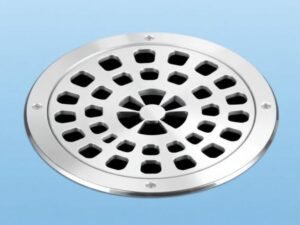
In today’s residential and commercial spaces, bathroom odors significantly impact customer satisfaction and quality of life. Odor-resistant drains have become crucial solutions that are increasingly the focus of builders, decorators, brand owners, and wholesalers. This article delves into how these drains work, their core technologies, and their practical application, aiding you in making informed choices and enhancing project quality.
Executive Summary
Odor-Resistant Type Shower Drains utilize multiple sealing structures such as water locks, gravity flaps, silicone cores, and magnetic closures to efficiently block odors, ensuring a fresh and healthy bathroom environment.
Background
As urban buildings grow taller and denser, bathroom ventilation becomes constrained, leading to frequent issues with odors from drainage systems. There is a growing demand for “odor-free bathrooms.” Understanding how odor-resistant drains function scientifically is crucial for project buyers and brand owners.
1. Why Do Bathrooms Have Odors?
Most bathroom drainage systems connect directly to sewer lines. Without proper sealing, smells can backflow into indoor spaces. Odor issues become severe when water seals dry up, sealing structures age, or if installations are faulty, directly affecting living experiences and brand image.
2. What Are the Core Structures of Odor-Resistant Drains?
The basis of odor-resistant drains is physical barriers and structural design, efficiently blocking the path of rising gases. Common sealing structures include:
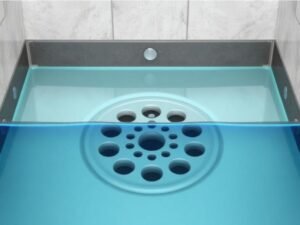
- Water Seal: Traditional method, using stored water as a barrier.
- Gravity Flap: Opens with water flow, automatically closes without it, forming a mechanical seal.
- Silicone Core: Flexible opening and closing, blocks odor and pests.
- Magnetic Closure: Incorporates magnetic elements to enhance closure strength and stability.
3. In-Depth Comparison of Four Odor Blocking Technologies
| Structure Type | Odor Blocking Principle | Typical Application Scenarios | Advantages and Limitations |
|---|---|---|---|
| Water Seal | Stores water to block gas | Main bathrooms, daily spaces | Low cost, ineffective in dry season |
| Gravity Flap | Closes naturally with gravity | Apartments, commercial projects | Stable seal, precise installation required |
| Silicone Core | Flexible opening/closing | Hotels, backup bathrooms | Excellent seal, silicone parts need regular replacement |
| Magnetic Closure | Enhanced pressure against disturbances | High-rise buildings, large projects | Tight seal, slightly higher cost |
4. Product Advantages of NOAH Odor-Resistant Drains
As a professional OEM manufacturer, NOAH offers high-performance odor-resistant drains with the following advantages:
- Supports multiple sealing structure combinations to meet various requirements
- Uses 304 stainless steel + ABS materials, corrosion-resistant and structurally robust
- All products feature modular design for easy cleaning and replacement
- Provides customized logos, sizes, and packaging, helping brands create differentiated product lines
5. Application Scenarios and Partnership Models
NOAH odor-resistant drains are widely used in:
- High-end residential buildings, apartments, villas
- Commercial spaces like hotels, office buildings, gyms
- Medical facilities, public restrooms, airports
- Decor renovation, building material channels, e-commerce distribution
Partnership Models:
- Wholesale supply (Flexible MOQ, sample support)
- Brand customization (OEM / ODM services)
- Project connection (Assisting contractors in selection)
6. Conclusion: Reasons to Choose
Odor-resistant drains not only solve indoor odor issues but also reflect the professional standards of a project. NOAH odor-resistant drains integrate innovative design with reliable materials, making them a dependable partner in construction and brand sales.
📩 For wholesale or customization of NOAH odor-resistant drain products, feel free to contact us for samples and pricing information.
External Links
Footnotes
¹ EPA. (2024). Indoor Air Quality and Common Odor Sources. ² ASPE. (2023). Plumbing System Standards for Residential Applications.