Skip to content
Standard Mobile Home Shower Drain Opening Sizes
When searching for a replacement, you will find that mobile home shower drain opening sizes typically fall into two main categories based on the year the home was manufactured and the type of shower stall installed. Unlike standard residential showers which almost exclusively use 2-inch drains, mobile homes are unique.
Table of Contents
- Standard Mobile Home Shower Drain Opening Sizes
- Noahhometech: Excellence in Modern Drainage Solutions
- How to Correctly Measure Your Mobile Home Shower Drain
- Mobile Home vs. Residential Plumbing: Why Sizes Differ
- Types of Drains Suitable for Manufactured Homes
- Professional Installation Tips for Mobile Home Showers
- Summary Table: Mobile Home Drain Specifications
- Frequently Asked Questions
- Technical References
The 2-Inch Opening (Standard for Modern Units)
In newer manufactured homes built after the mid-2000s, the 2-inch drain opening is becoming the standard. This matches the plumbing diameter of many modern shower pans and allows for a higher flow rate, which is necessary if you have upgraded your shower head to a high-pressure model. A 2-inch opening typically fits a 2-inch ABS or PVC drain pipe.
The 1.5-Inch Opening (Common in Older Homes and RVs)
Many older mobile homes utilize a 1.5-inch drain opening. This is often paired with a 1.5-inch P-trap system located directly beneath the floorboard. If you are working on a 1970s or 1980s model, this is the most likely size you will encounter. It is important to note that a 1.5-inch drain will struggle with high-flow rain shower heads, making it essential to choose a high-efficiency strainer to prevent standing water.
The 3-Inch and 3.5-Inch Large Strainer Flanges
While the pipe diameter is usually 1.5 or 2 inches, the actual hole in the fiberglass or acrylic shower pan (the flange area) often measures 3 inches or 3.5 inches. This is a critical distinction: the “opening size” can refer to the pipe connection or the visible top strainer. Always verify both measurements before ordering a replacement part.
Noahhometech: Excellence in Modern Drainage Solutions

Upgrading your mobile home shower doesn’t mean you have to settle for basic plastic parts. Noahhometech Bathroom Drainage Experts are leading the industry in providing high-end alternatives that bridge the gap between utility and luxury.
As a leading shower drain manufacturer, we specialize in high-quality, visually striking drainage solutions for bathrooms, hotels, and commercial spaces. Our complete OEM and ODM services include ultra-thin linear drains, square drains, vertical drains, and fully customized shower systems, made from 304 stainless steel with durable PVD finishes.
With brand customization, rapid prototyping, and globally recognized certifications, we help clients stay competitive and deliver premium end-user experiences. From innovative design to precise installation, our products provide efficient, durable, and modern shower drainage solutions.
Our Premium Product Line Includes:
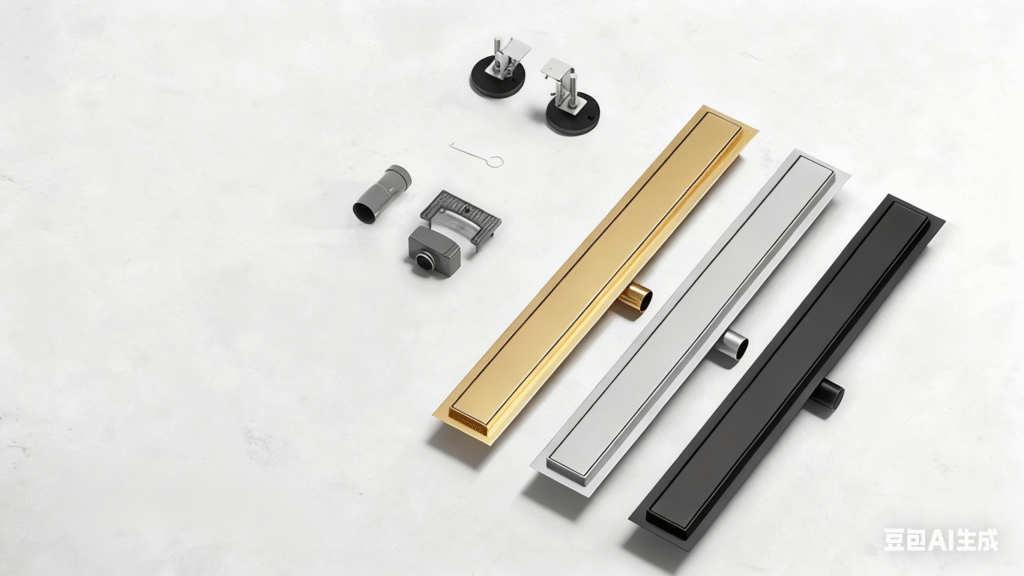
- Standard Type Shower Drain: Reliable and easy to clean for everyday use.
- Odor-Resistant Type Shower Drain: Built-in sealing system to prevent backflow and odors.
- Ultra-Thin Type Shower Drain: Minimalist design perfect for modern bathrooms.
- Invisible Shower Drain: Blends seamlessly with floor tiles for a clean, sleek look.
- Linear Wall and Strip Drains: Ideal for large showers and spa-like spaces.
- Triangular and Square Bathroom Drains: Stylish solutions for corner installations.
How to Correctly Measure Your Mobile Home Shower Drain
Because mobile home shower drain opening sizes can be non-standard, guessing is not an option. Follow these steps to get a professional measurement:
- Remove the Strainer: Use a screwdriver to remove the top grate or strainer. This allows you to see the actual throat of the drain.
- Measure the Internal Diameter (ID): Measure the width of the hole where the water enters the pipe. This will likely be exactly 1.5 inches or 2 inches.
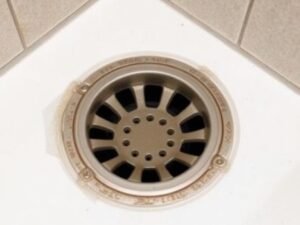
- Measure the Outer Flange: Measure the diameter of the visible metal or plastic rim that sits against the shower floor. Common sizes here are 2-7/8 inches or 3.5 inches.
- Check the Depth: In mobile homes, the distance between the shower floor and the P-trap is often very short. Measure this clearance to ensure your new high-profile or odor-resistant drain will fit.
Mobile Home vs. Residential Plumbing: Why Sizes Differ
The primary reason mobile home shower drain opening sizes differ from “stick-built” homes is the construction method. Mobile homes are built on a steel chassis. The plumbing must be compact enough to fit within the floor joists while remaining flexible enough to withstand the vibrations of being transported.
Furthermore, mobile home plumbing is regulated by HUD (Department of Housing and Urban Development) standards. These standards often allow for 1.5-inch drains in showers, whereas the International Plumbing Code (IPC) used for traditional houses usually mandates a minimum of 2 inches for showers to prevent overflowing. When renovating, many owners choose to “upsize” their plumbing to 2 inches to meet modern residential standards, provided there is enough space in the subfloor.
Types of Drains Suitable for Manufactured Homes
Choosing a drain from a reputable source like Noahhometech allows you to move beyond the cheap plastic “pop-in” drains found in hardware stores. Here are the best types of drains for 2026 mobile home upgrades:
Stainless Steel Square Drains
Standard mobile home drains are often round, but square drains are much easier to tile around during a remodel. Noahhometech’s 304 stainless steel square drains provide a modern aesthetic and are significantly more durable than the ABS plastic alternatives that tend to crack over time.
Linear Drains for Walk-in Showers
If you are converting a tub to a walk-in shower—a popular trend in 2026 mobile home design—a linear drain is the best choice. These allow for a single-slope floor, making it easier to install large-format tiles and providing a high-end, curbless appearance.
Odor-Resistant and Backflow Drains
Mobile homes are particularly susceptible to “dry trap” odors due to their venting systems. Choosing a drain with an integrated mechanical seal or a one-way valve can prevent methane and sewer gases from entering your living space.
Professional Installation Tips for Mobile Home Showers
Installing a drain in a manufactured home requires a few extra precautions to ensure a permanent, waterproof seal:
- Use Plumber’s Putty or Silicone? For fiberglass pans (common in mobile homes), high-quality 100% silicone is often preferred over plumber’s putty, as the oils in the putty can sometimes degrade certain plastics over decades.
- Support the Pan: Many mobile home shower pans flex when stepped on. This movement can break the seal of the drain. Ensure the area around the drain opening is supported by a mortar bed or structural foam during installation.
- Hand-Tighten Only: Plastic mobile home fittings can strip easily. Tighten the locknut by hand and then give it a quarter turn with a wrench—do not over-tighten.
- Check the P-Trap: While the drain is out, inspect the P-trap below. If it is made of thin black polybutylene, consider replacing it with modern ABS or PVC.
Summary Table: Mobile Home Drain Specifications
| Measurement Type | Standard Size | Common Usage |
|---|---|---|
| Drain Pipe ID | 1.5 inches | Older homes, RVs, space-saving tubs |
| Drain Pipe ID | 2.0 inches | Modern manufactured homes, high-flow showers |
| Top Flange Diameter | 2-7/8 to 3.0 inches | Standard round drop-in strainers |
| Large Flange Diameter | 4-1/4 to 4.5 inches | Heavy-duty or “garden tub” configurations |
| Material | 304 Stainless Steel | Noahhometech premium upgrades (Recommended) |
Frequently Asked Questions
Can I use a residential shower drain in my mobile home?
In many cases, yes, provided you have a 2-inch pipe. However, if your home uses the older 1.5-inch standard, you will need a transition adapter. Always check the clearance beneath the shower pan, as residential drains are often deeper than mobile home-specific models.
Why does my mobile home shower drain smell like sewage?
This is often due to a lack of proper venting or a dried-out P-trap. Mobile homes sometimes use “Air Admittance Valves” (AAVs) instead of traditional roof vents. If the AAV fails, the trap can lose its water seal. An odor-resistant drain from Noahhometech can help solve this issue.
What is the best material for a replacement drain?
While original equipment is often ABS plastic, 304 stainless steel is the superior choice for longevity, hygiene, and aesthetics. It will not crack or discolor over time like plastic does.
Technical References
- HUD Manufactured Home Construction and Safety Standards (CFR 3280.610).
- International Plumbing Code (IPC) Section 417: Showers.
- Manufacturer’s Installation Guide: Mobile Home Fiber-Glass Shower Stalls.